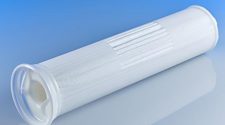


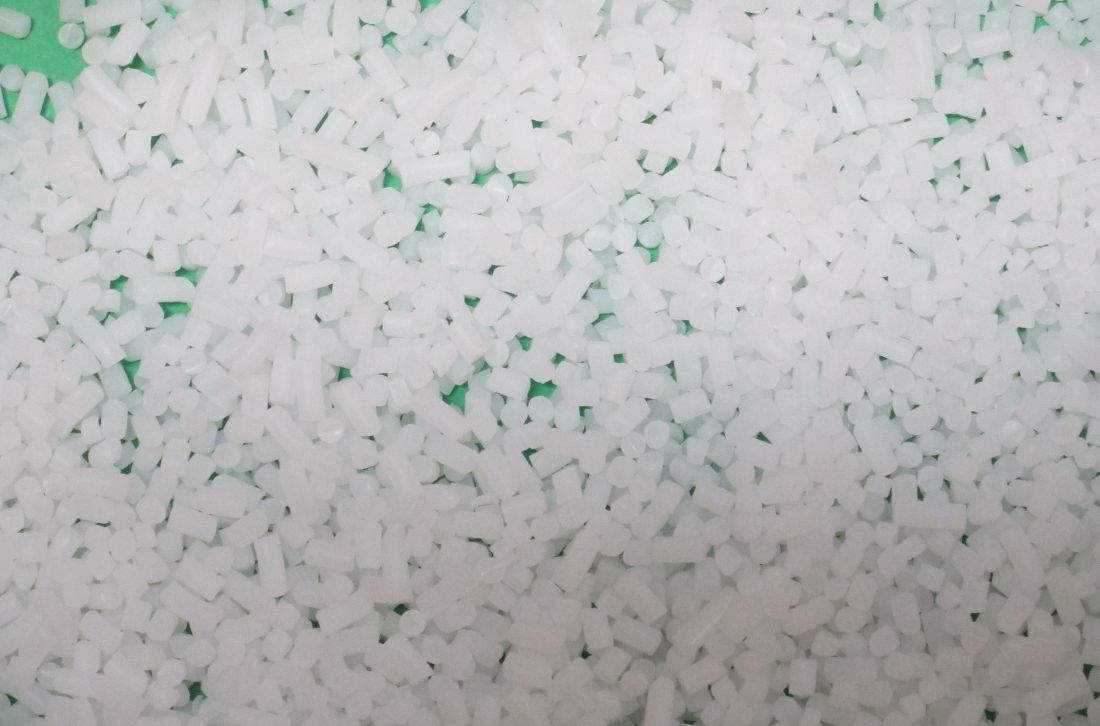
In the evolving landscape of industrial filtration, material innovation often determines the difference between incremental improvement and transformative performance. Among the most promising developments is the application of meltblown media fabricated from ethylene chlorotrifluoroethylene (ECTFE). This fluoropolymer, long recognized for its chemical inertness and resilience, is now being engineered into fine fiber structures that expand the boundaries of what filtration systems can achieve in demanding environments.
Inertness As A Foundation For Reliability
At the heart of ECTFE’s appeal is its exceptional chemical inertness. Unlike many conventional polymers, ECTFE resists attack from a wide spectrum of corrosive agents, including strong acids, bases and organic solvents. In filtration, this property translates directly into reliability: membranes and media can maintain structural integrity and performance even when exposed to aggressive chemical streams.
For industries such as chemical processing, pharmaceuticals, and semiconductor manufacturing — where purity and consistency are paramount — inertness is not simply a desirable trait, it is a necessity. ECTFE meltblown fibers provide a safeguard against leaching, degradation or unwanted reactions, ensuring that the filtration process does not compromise the product or the system. This stability opens doors to applications where traditional polypropylene or polyester meltblown media would falter under chemical stress.
Temperature Resistance: Expanding The Operating Envelope
Industrial filtration often operates under elevated temperatures, whether in hot gas streams, heated liquids or sterilization cycles. ECTFE’s ability to withstand temperatures up to approximately 150°C without significant loss of mechanical properties makes it a standout candidate for such conditions.
This thermal resilience allows meltblown ECTFE media to function in environments where conventional polymers soften, deform or lose efficiency. For example, in power generation or petrochemical refining, hot gas filtration demands materials that can endure prolonged exposure to heat without embrittlement. Similarly, in food and beverage processing, sterilization protocols often involve high-temperature steam; ECTFE media can withstand these cycles while maintaining pore structure and filtration efficiency.
By extending the operating envelope, ECTFE meltblown products reduce the need for frequent replacement, lower maintenance costs, and enhance system uptime — critical advantages in industries where downtime translates directly into lost revenue.
Abrasion Resistance: Durability In Harsh Environments
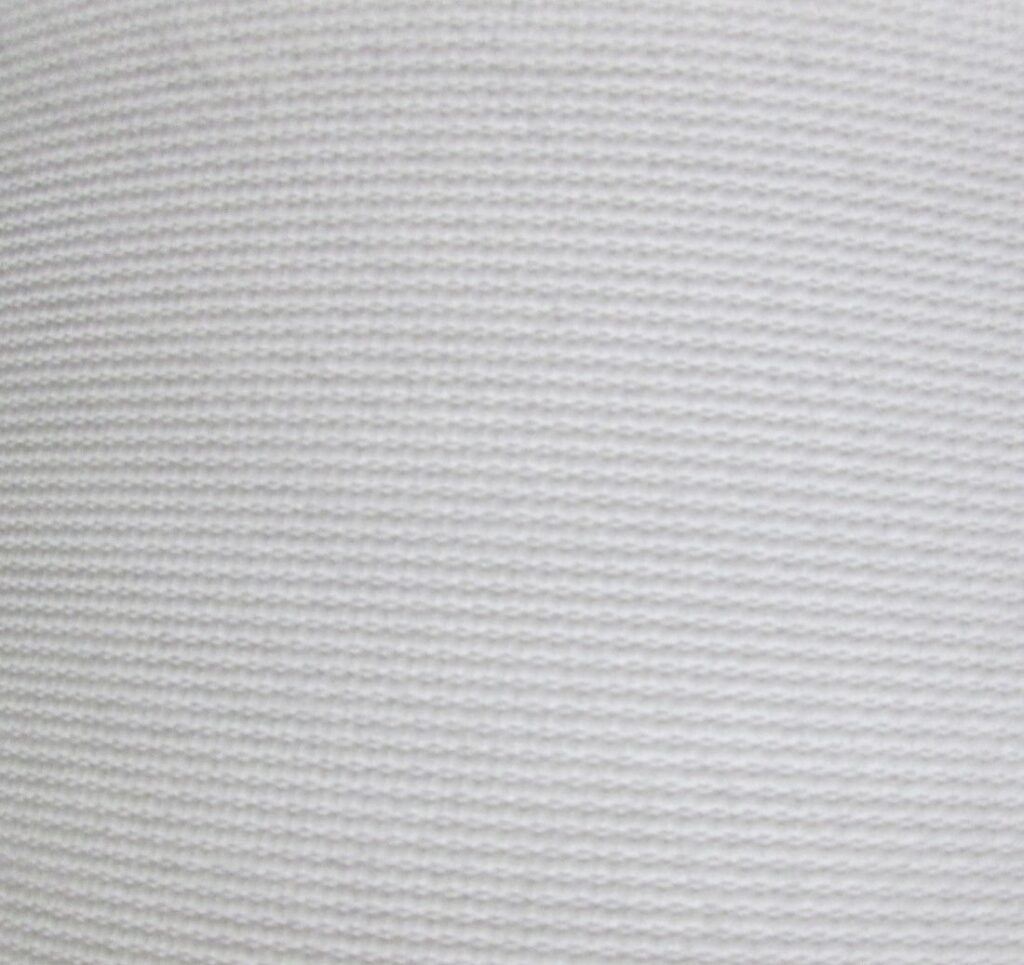
Filtration media are not only challenged by chemical and thermal stresses but also by mechanical wear. Abrasion from particulates, high-velocity flows, or repeated handling can quickly degrade conventional fibers. ECTFE, however, exhibits notable abrasion resistance, a property that is amplified when engineered into meltblown structures.
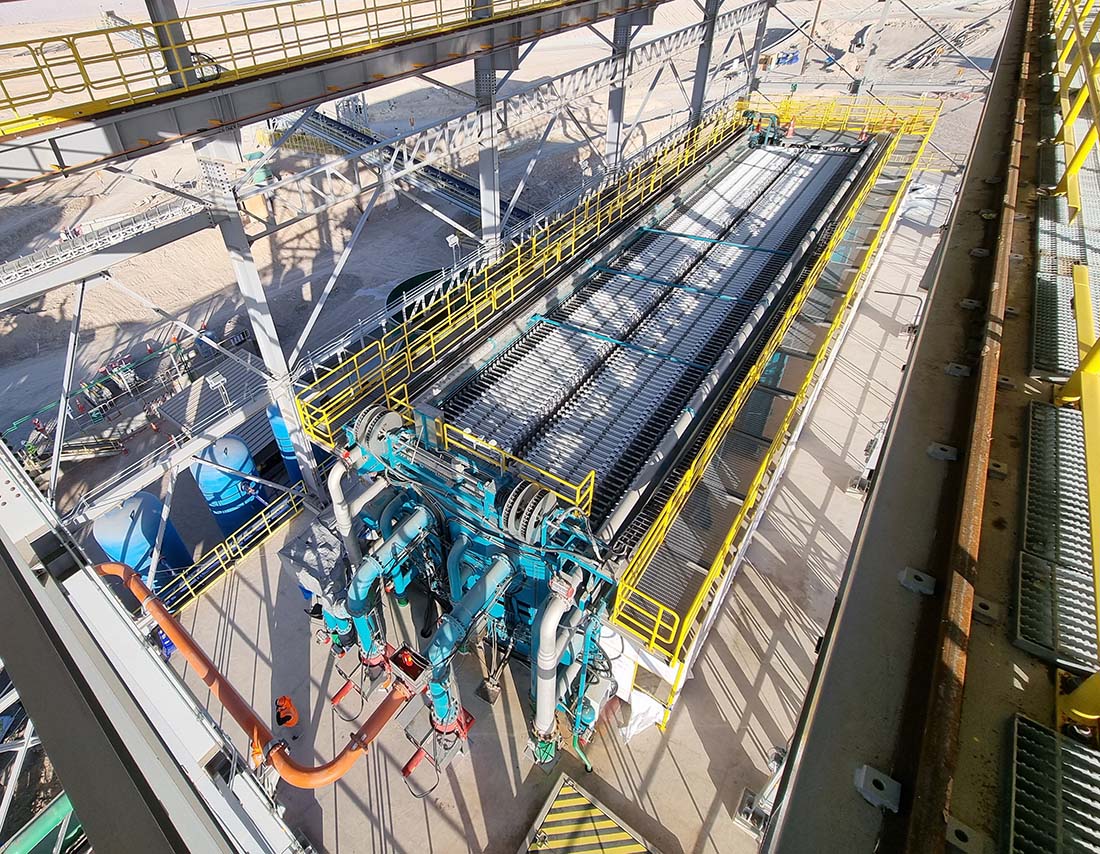
This durability ensures that the media can withstand extended service in abrasive environments such as mining, metalworking, or wastewater treatment. In these contexts, filters are often exposed to sharp particles or turbulent flows that would erode weaker materials. ECTFE meltblown fibers resist fiber breakage and surface wear, preserving filtration performance over longer cycles. The result is a more robust solution that balances fine filtration efficiency with mechanical longevity.
The introduction of ethylene chlorotrifluoroethylene (ECTFE) meltblown technology represents more than a material substitution; it signals a shift toward filtration solutions that are engineered for resilience across multiple stress domains.
Broader Possibilities Across Industries
The convergence of inertness, temperature resistance, and abrasion resistance positions ECTFE meltblown media as a versatile platform for industrial filtration. Its potential applications extend well beyond traditional chemical or thermal processes:
- Microelectronics and Semiconductor Manufacturing: Ultra-pure filtration is essential to prevent contamination in chip fabrication. ECTFE’s inertness ensures compatibility with aggressive cleaning agents and etchants, while its fine fiber structure enables high-efficiency particle capture.
- Pharmaceutical and Biotech: Sterile filtration often requires repeated exposure to steam or chemical sanitization. ECTFE media can endure these cycles without compromising pore integrity, supporting consistent product quality and regulatory compliance.
- Energy and Power Generation: Gas turbine intake filtration, hot gas cleanup, and emissions control benefit from materials that resist both heat and particle abrasion. ECTFE meltblown fibers offer a balance of efficiency and durability in these demanding roles.
- Food and Beverage Processing: Filtration systems must withstand cleaning-in-place (CIP) protocols involving caustic chemicals and high temperatures. ECTFE’s resilience ensures long service life and reliable performance in maintaining product purity.
- Water and Wastewater Treatment: Harsh chemical environments, abrasive particulates, and variable temperatures challenge conventional media. ECTFE meltblown products provide a robust alternative capable of delivering consistent filtration under diverse conditions.
- Industrial Gas Filtration: From corrosive exhaust streams to high-temperature process gases, ECTFE media can deliver fine particulate capture without succumbing to chemical or thermal degradation.
Toward A New Standard In Filtration Media
The introduction of ECTFE meltblown technology represents more than a material substitution; it signals a shift toward filtration solutions that are engineered for resilience across multiple stress domains. By combining chemical inertness, thermal stability, and mechanical durability, ECTFE fibers redefine expectations for service life and performance in industrial filtration.
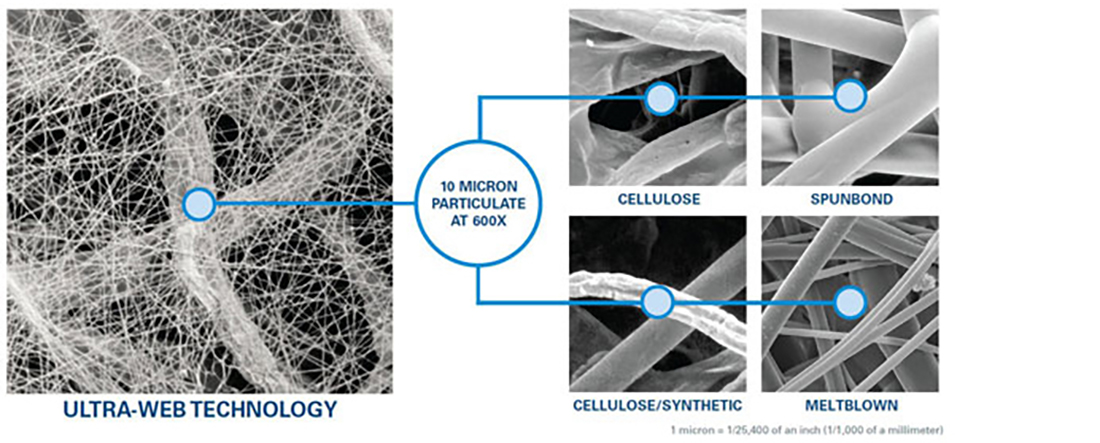
Moreover, the meltblown process itself adds a layer of versatility. By controlling fiber diameter, pore size distribution and basis weight, manufacturers can tailor ECTFE media to specific applications — from coarse pre-filtration to fine particulate removal. This adaptability ensures that the material can be integrated into diverse system designs, whether as standalone filters or as part of multilayer composites.
Conclusion: A Material For The Future
Industrial filtration is a field where incremental improvements can yield significant operational benefits. The emergence of ECTFE meltblown media offers a leap forward, providing a material that is not only chemically inert but also resilient to heat and abrasion. Its broader applicability across industries — from semiconductors to energy — underscores its potential to become a new standard in filtration technology.
As industries continue to demand higher performance, longer service life, and greater reliability from their filtration systems, ECTFE meltblown media stands ready to meet those challenges. It is a material that embodies the future of industrial filtration: robust, versatile, and engineered for environments where compromise is not an option.