


When “Embracing Circularity in Filtration” was published in the November/December issue of International Filtration News, reactions were expected to come primarily from Europe where circular economy policy is becoming an operational reality for manufacturers and their supply chains. The region is now moving toward what many refer to as an EU “Circular Economy Act,” with a commission consultation launched in August 2025 and a legislative proposal expected in 2026.
However, it was surprising how many substantive responses came from U.S. companies that are pursuing circularity and sustainability but using approaches that are less prescriptive and more fragmented, with a focus on energy, supply security, affordability and innovation. Corporate actions often outpace policy, with sustainability reflected in operational reliability and cost control rather than strict compliance.
This contrast provided a practical impetus to conduct a follow-up study to examine the development of circularity in filtration in North America and its integration into the broader sustainability and energy context in the United States. I spoke with Mike Malloy — a U.S.-based filtration and market strategist, principal of Malloy Strategies LLC, and communications director for the World Filtration Institute — to critically assess prevailing assumptions and adapt circularity principles within a North American operational framework. Malloy highlighted several strategic shifts in the U.S. market, including evolving policy directions and the economic factors that influence the adoption and longevity of sustainability initiatives in procurement and operations.
The U.S. Sustainability Operating System: Energy First, Circularity As A Second-Order Effect
U.S. sustainability practices in filtration differ significantly from those in Europe. While European regulations prioritize sustainability, American approaches are driven by economic and reliability considerations. As a result, energy security, affordability, and infrastructure resilience are prioritized, with circularity considered primarily insofar as it supports these objectives. Filtration contributes to these goals by enhancing efficiency, protecting equipment and reducing costs. Its value is most evident in longer asset lifespans, decreased downtime and lower operating expenses. In the United States, circularity is embraced when it aligns with these outcomes, rather than as a mandatory, standalone requirement.
“There is an ongoing tension between circularity — which emphasizes a closed-loop, cradle to cradle material life cycle — and sustainability — which encompasses energy, environmental, social and economic impacts,” Malloy said. “In the United States, priorities for sustainability or circularity are typically defined in economic terms, often manifesting as cost reductions or productivity gains. Filtration is essential for optimizing broader industrial processes, with its economic and environmental effects rippling throughout entire systems.”
Malloy continued: “Many economic activities incur costs that are not directly borne by their beneficiaries, resulting in externalities that are absorbed by society at large. While landmark policies like the Clean Air Act and Clean Water Act have explicitly linked environmental costs to industry, sustainability arguments in the United States are most persuasive when they connect to innovation and cost such as reduced energy consumption, extended equipment life, or increased productivity. Circularity in filtration is challenging to quantify, as its true impact is often enabling larger systems to be more sustainable, even if the filter itself is not circular. Furthermore, the decentralized nature of U.S. policymaking leads to ongoing competition among priorities and ideas, making widespread consensus rare.”
In summary, Malloy observed: “The interplay between circularity and sustainability in U.S. filtration is shaped by economic imperatives and a focus on system-wide outcomes. While circularity is difficult to monetize directly, filtration’s role in extending equipment life and reducing energy use is crucial to the sustainability of larger processes. In the United States, consensus on environmental priorities is rare, and policy effectiveness often hinges on clear links to innovation and cost savings.”
Circularity In Filtration: Why It’s Harder Than It Looks
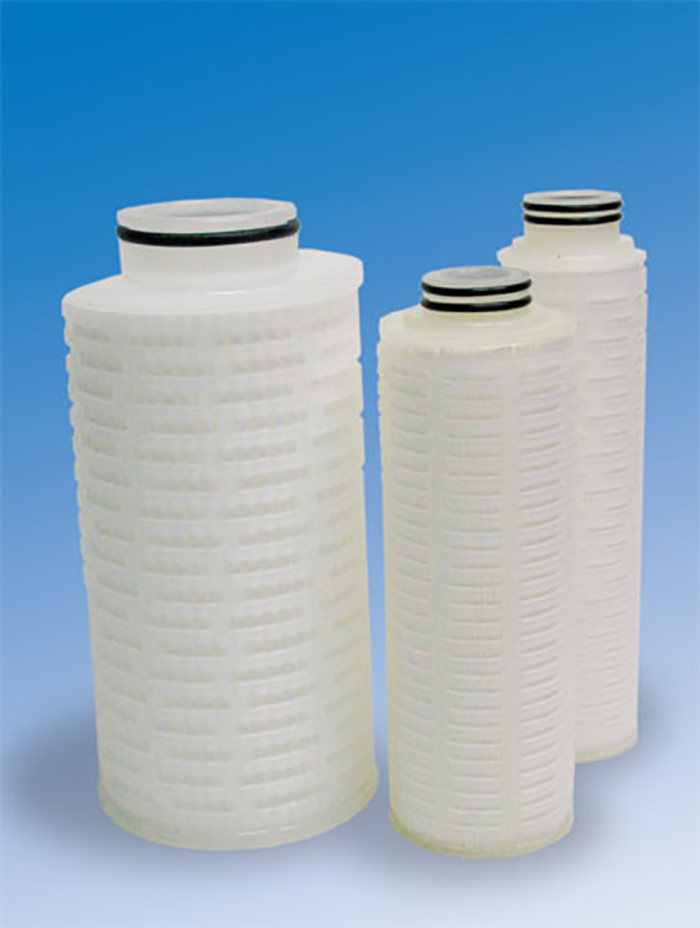
Filters typically use a variety of materials and accumulate particulates, including oils, chemicals or biological contaminants, creating constraints around separability, contamination risk and validation. Multi-material construction complicates recycling; contamination increases handling and logistics challenges, especially for hazardous filters; and strict performance standards necessitate careful validation of any changes. Reverse logistics is another hurdle because reliable collection, identification, sorting and routing systems remain fragmented in the United States. Infrastructure also is insufficient, making circularity difficult to scale across industries.
Malloy believes the purpose of a filter is to capture harmful matter, which makes it uniquely difficult to fit into a circularity model. “Filter media not only capture material, but draw it deep into its structure, extending filter life and reducing energy use, but making cleaning and reuse impractical,” Malloy noted. “Washable or otherwise reusable media often come with higher energy use, added maintenance, and second-order effects such as water consumption and pollution.
“In addition, single-polymer solutions are difficult because media require porosity and void volume, while housings and mounting hardware require dense materials, tight seals, and high structural integrity,” he continued. “Filtration also has highly technical products that rely on proprietary innovation and companies invest heavily to develop unique materials.”
Malloy also shared that reverse logistics is an even larger problem in the United States due to the large area and variation of population density and said it is not practical to ship used materials long distances to do “value-added” work to restore them and re-integrate them into the production cycle, and more space means lower landfill costs.
“Localized solutions for production and reuse are reasons for optimism and the high cost of transportation for low-density filtration products will continue to drive these efforts,” Malloy said. “Drylaid synthetic media is gaining share and processes like meltblown and electrospinning are well-suited to distributed production. This makes single-polymer solutions plausible and advances in biopolymers hold out the prospect of localized circularity through composting.”
Europe advances circularity through robust product traceability and standards such as Digital Product Passports, thereby facilitating measurement and verification. In the United States, circularity must compete on cost and risk in mature markets, often relying on commercial agreements and customer expectations to drive adoption.
Prevention extends well beyond waste reduction; it focuses on designing products with fewer failure modes, easier maintenance, safer materials and simplified disassembly. Incorporating single-material solutions, recyclable packaging, and smart monitoring technologies can extend product life and improve efficiency in HVAC, air, and water filtration systems, aligning circularity with business priorities such as reliability and operational excellence.
Where Circularity Actually Advances In The U.S. Market
Despite significant obstacles, circularity in the United States continues to make headway — particularly when it aligns with established standards and practices valued by procurement and operations. Progress is most evident when circularity supports global original equipment manufacturer requirements, corporate ESG objectives influencing supplier evaluations, cost savings across the product life cycle, consistent uptime, and the mitigation of supply chain risks.
The four-pillar circularity model — Prevention, Preparing for Reuse, Collection & Recycling, and Disposal — proves most effective when tailored to U.S. decision-making. In the previously referenced article, “Embracing Circularity in Filtration,” this practical framework was described as encompassing the entire product life cycle, with each pillar serving as a lever to enhance performance and manage risk in the U.S. context.
Prevention extends well beyond waste reduction; it focuses on designing products with fewer failure modes, easier maintenance, safer materials and simplified disassembly. Incorporating single-material solutions, recyclable packaging, and smart monitoring technologies can extend product life and improve efficiency in HVAC, air, and water filtration systems, aligning circularity with business priorities such as reliability and operational excellence.
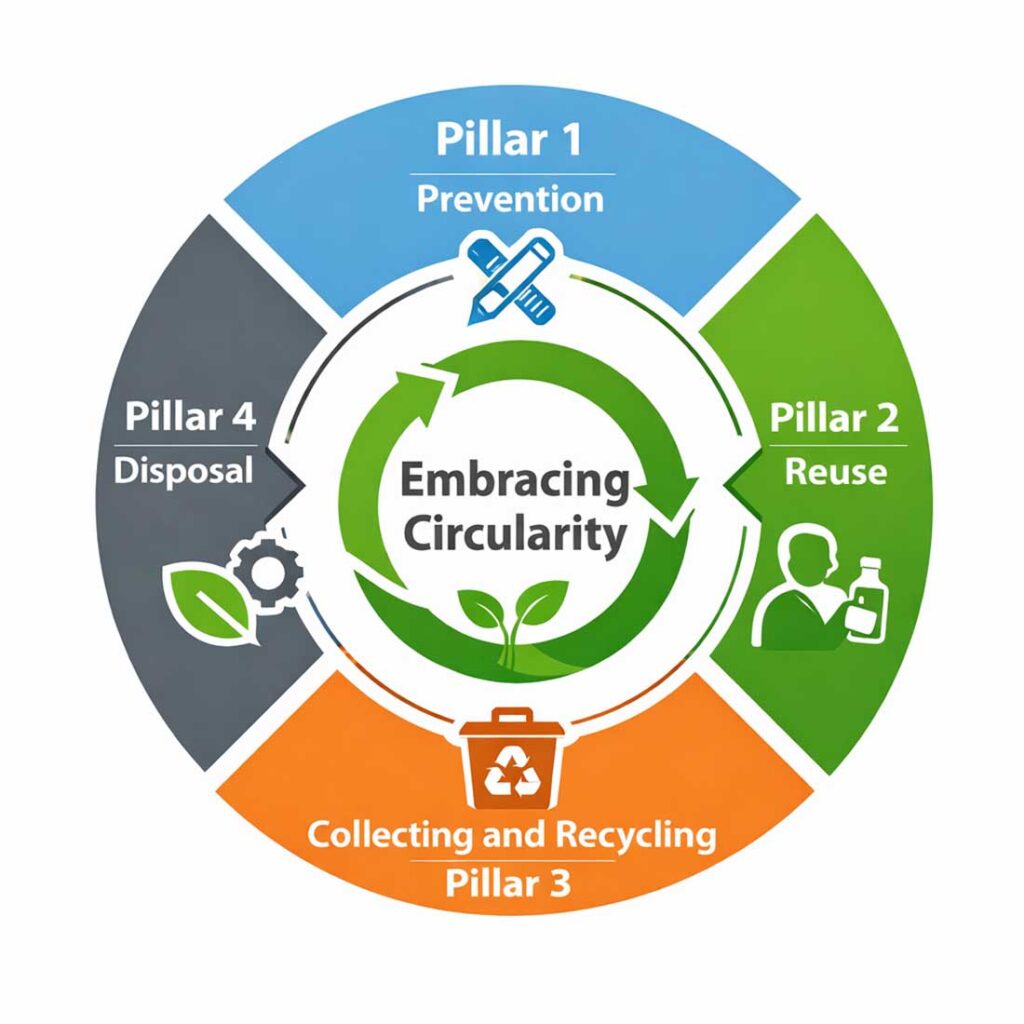
According to Malloy, each pillar of circularity in the U.S. operates within the realities of competing business incentives, namely, the drive for productivity, the favorable tax treatment of capital investment, and relatively low disposal costs. “Preventive maintenance, while critical to both productivity and quality, often takes a back seat to the benefits of accelerated depreciation schedules, which incentivize investment in newer, more productive equipment rather than focusing on preparing for reuse,” Malloy said. “Furthermore, collection and recycling efforts are typically concentrated in dense urban areas, where logistics make them economical, but these initiatives are often limited to consumer-related materials rather than industrial products. A key distinction between the United States and the European Union lies in disposal; due to greater land availability and lower taxes, it remains much less expensive to dispose of waste in the United States than in Europe.”
Data Centers, AI, And Cooling Water: The Next Filtration Stress Test
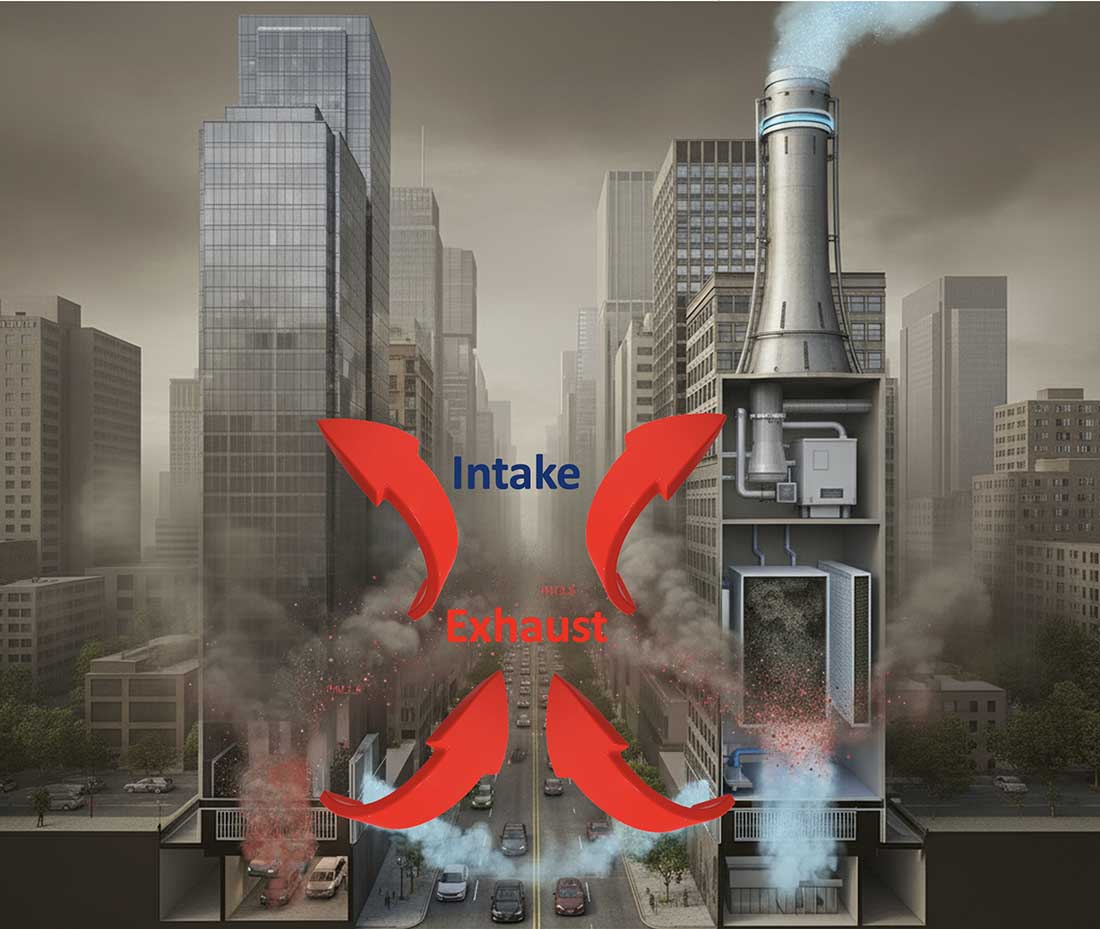
U.S. sustainability and filtration innovations are crucial for data centers and artificial intelligence computing, which face energy, water, heat and reliability challenges. Effective air filtration protects equipment and enhances cooling; modular, reusable filters reduce waste and costs — one operator cut filter waste by 40 percent. Water filtration improves cooling efficiency and enables reuse, with some centers lowering water use by 30 percent. Circular filtration, featuring durable, regenerable components and take-back programs, increases uptime and lowers risks, delivering both technical reliability and cost savings.
Malloy emphasizes that the rapid expansion of data centers positions them as an ideal setting for advancing circularity efforts. He shared: “The large volumes of air and water filters used can be processed on site or aggregated for efficient shipment, with the uniformity of materials simplifying sorting and recycling. While filters play a key role in reducing energy consumption, the surging demand for electricity in data centers also accelerates the development of new, lower-impact energy sources, such as small modular nuclear reactors.”
This perspective is consistent with Malloy’s broader view that circularity in the U.S. is most successful when it aligns with business incentives like productivity, cost reduction, and operational efficiency, and when solutions are tailored to local operational realities and regulatory environments. Thus, the data center sector exemplifies how circular strategies can be integrated with business priorities to drive both sustainability and reliability.
Energy Storage And Adjacent Markets That Pull Filtration Forward
Adjacent markets drive technology transfer, advancing filtration requirements like tighter contamination control and improved water management. Supply chain capabilities from advanced manufacturing often benefit wider filtration sectors, even with uneven market adoption. Malloy highlighted that lithium-ion and rare minerals retain strategic value and high priority.
Scarcity drives reuse in energy storage because materials like lithium, copper, and cobalt are rare and expensive. Despite being a relatively young industry, private companies in the United States, often with government encouragement, are solving the problems of return, sorting, and re-processing these “black materials,” which are seen as a strategic asset for a sustainable future. Filtration can learn from these processes even if we do not have the same urgency of scarcity.
That reality shapes where investment flows, how supply chains are localized or diversified, and how manufacturers think about process efficiency and yield. Filtration appears throughout that logic: air filtration to protect clean environments and reduce defect risk; liquid filtration and water treatment to control process chemistry; and utility filtration to protect equipment and reduce downtime.
Conclusions And Forward Outlook
Circularity will grow in the United States as material science creates more single-material, readily renewable products that will be aided by initiatives from economically powerful states like California that prioritize sustainability and circularity. In addition, many global companies set policies to meet the most stringent regional standards, thus normalizing European expectations. Tracing materials and measuring outcomes is critical to effective circularity, and current digitization, scanning, tokenization, and secure storage technology will help enable this.
Regardless of the region, aligning on basic principles, practical scorecards, and effective return systems enables circular solutions to deliver real operational value. The goal is not uniformity, but measurable progress that benefits the environment and sustainability goals.