


A Strategic Framework for Filtration, Trade, and Sustainable Governance (LGR)
In a significant move to bridge the critical discussions around global health and sustainable commerce, Dr. Iyad Al-Attar, IFN global correspondent, travels to Switzerland. There, he sits down with Mr. Ricardo Meléndez-Ortiz for an exclusive and illuminating interview. This timely interview aims to dissect the intricate connections between cutting-edge filtration technologies, robust Indoor Environmental Quality (IEQ) governance, and pivotal Environmental, Social, and Governance (ESG) metrics, all within the dynamic spheres of international trade, technological advancement, and long-term sustainability.
Indoor air quality is a vital matter in everyone’s daily life, yet it is often taken for granted or left unattended. Providing the best technologies and innovations to ensure proper indoor air quality requires that governments, industry, and stakeholders purposefully facilitate the rapid production and deployment of filtration equipment. The questions you raise highlight that critical areas of policy and governance must adjust and evolve to effectively deliver equitable, sustainable solutions that protect health, save lives, and contribute to a more livable planet.
Lessons from the past decade on clean energy technologies (CETs) highlight how much needs to be done and, more importantly, how feasible it is to achieve this by focusing efforts on sustainability principles and a multi-stakeholder approach. The urgent need to mitigate climate change has driven a rapid and massive scale-up of CETs globally, supported by international, national, and subnational policies. Years of experience in this work demonstrate how coordinated regulatory frameworks, trade facilitation, and investment incentives are essential for scaling technologies that address critical societal challenges. Similar approaches can inform international governance and regulatory systems for air filtration, ensuring equitable access, high-quality standards, and rapid deployment to protect human health and the environment.
Trade & Equity
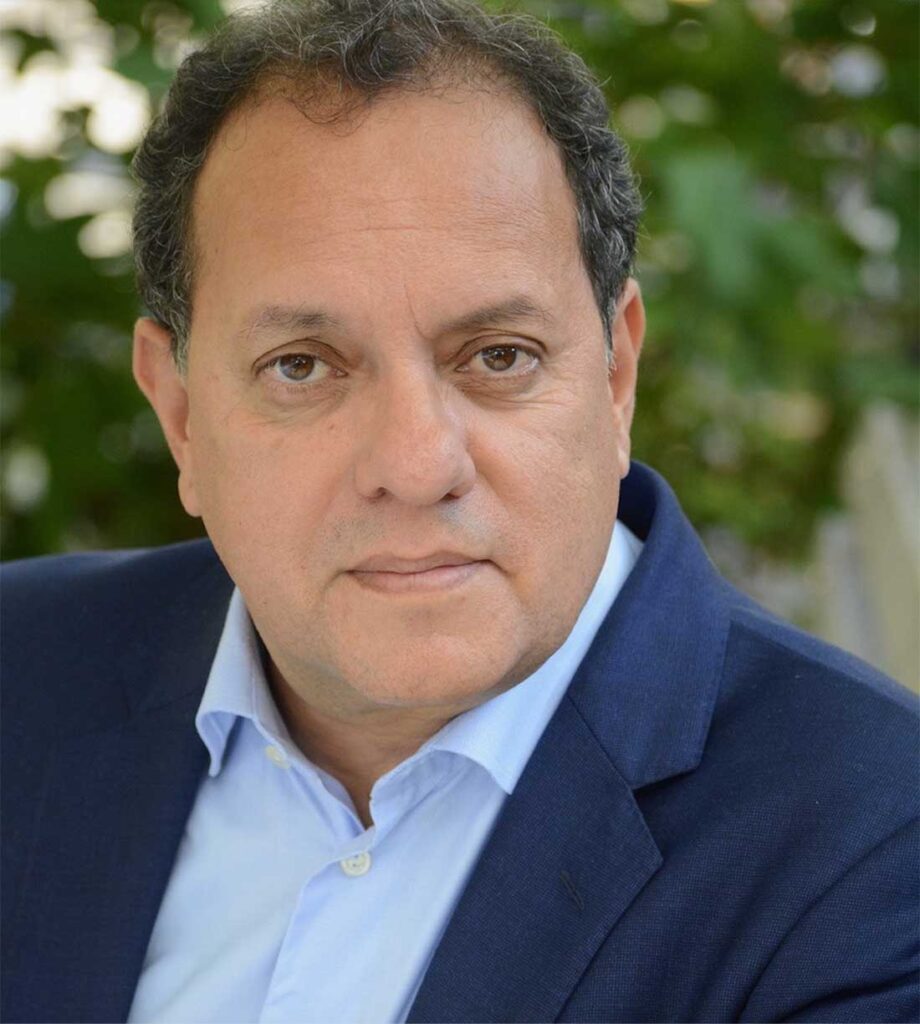
Dr. Iyad Al-Attar: How can international trade agreements and regional policies be structured to ensure equitable access to advanced air filtration technologies for all nations, regardless of their economic development, while simultaneously preventing the dumping of substandard products that might exacerbate indoor air quality disparities in less regulated markets?
Mr. Ricardo Meléndez-Ortiz: International trade and regional agreements, along with their ensuing policies, could be key levers to ensure that advanced air filtration technologies reach all nations, regardless of their level of economic development, while preventing harmful outcomes such as the dumping of substandard products. Such dumping not only undermines fair competition but can exacerbate indoor air quality disparities in markets with weaker regulatory oversight, disproportionately affecting vulnerable populations.
To more effectively address this, cooperation at the international/global level could:
- Agree and mandate minimum quality standards and certification procedures for products crossing borders, ensuring that all exported filtration technologies meet rigorous performance criteria.
- Facilitate technology transfer and support capacity building in developing nations, enabling them to absorb, adopt, maintain, and verify high-quality solutions rather than relying on cheaper, low-performing options that are often imported.
- Include enforcement provisions and monitoring mechanisms that hold exporters accountable and empower importing nations to reject substandard goods.
A critical first step involves compiling a comprehensive inventory of all key components of air filtration equipment and related goods that cross international borders. An inventory of all goods (from raw materials to complex components) using the harmonized tariff system (HTS) codes from the World Customs Organization (WCO) will then enable policymakers, jointly with industry, to identify comprehensive geographical organization and dynamics of supply chains, associated trade flows, disabling and enabling regulatory norms, as well as risks, including low-quality product proliferation.
Based on this analysis, policymakers may pursue targeted liberalization of high-quality filtration goods through the WTO’s Environmental Goods and Services negotiations or regional and bilateral agreements, while simultaneously embedding safeguards to prevent the entry of substandard products. Incentives such as technical assistance, export-import compliance support, and recognition for high-performing manufacturers can encourage the production and trade of reliable, safe, and effective filtration technologies. By combining liberalized access with robust quality enforcement, trade policy can rapidly expand the availability of advanced filtration solutions, reduce health disparities, and protect populations in less-regulated markets, all while promoting a more sustainable and equitable global indoor air environment.
Equality & Governance
Al-Attar: What specific regulatory frameworks and enforcement mechanisms are needed at local, national, and international levels to guarantee that all individuals, particularly those in vulnerable populations (e.g., low-income communities, schools in underserved areas, elderly care facilities), have equal protection from indoor air pollutants through mandated minimum IAQ/IEQ standards and readily available, affordable air filtration solutions?
Meléndez-Ortiz: Protecting vulnerable populations – such as low-income communities, schools in underserved areas, and elderly care facilities – requires multi-level governance. At the local level, mandated IAQ/IEQ standards may be implemented/enforced through community-based monitoring programs, allowing residents and organizations to participate actively. At the national level, enforceable regulations may include compliance penalties and financial support to make high-quality filtration accessible. At the international level, harmonized standards can prevent regulatory arbitrage and establish minimum benchmarks for indoor environmental quality.
The clean energy experience emphasizes the need for predictable, coordinated rules across jurisdictions. Coordinated frameworks help prevent fragmented policies, enable scaling of technologies, and allow innovation to flourish without unnecessary trade disputes. Enforcement mechanisms should combine inspections, real-time monitoring, and public reporting, empowering communities to hold stakeholders accountable. All these measures ultimately aim to rapidly expand access to filtration technologies, thereby safeguarding human health and contributing to a more sustainable world.
ESG & Sustainability (Technology Focus)
Al-Attar: From an ESG perspective, how can investors and companies be incentivized to prioritize the development and adoption of air filtration technologies that not only demonstrably improve IAQ/IEQ but also adhere to strict lifecycle sustainability principles, including minimal energy consumption, reduced waste generation, and the use of ethically sourced, recyclable materials?
Meléndez-Ortiz: Investors and companies can be incentivized from an ESG perspective to prioritize air filtration technologies that meet both performance and sustainability goals. Incentives could include tax benefits, public recognition, or ESG-linked investment criteria that reward innovations demonstrating:
- Performance: Measurable improvements in IAQ/IEQ.
- Lifecycle Sustainability: Low energy consumption, minimal waste generation, and use of ethically sourced, recyclable materials.
- Transparency: Clear reporting on environmental and social impacts.
By focusing on these goals, investment and corporate strategies not only improve indoor air quality but also advance broader sustainability objectives, aligning with global goals such as reducing pollution, conserving resources, and protecting human health. The rapid expansion of these technologies is essential for saving lives, mitigating the health impacts of poor air quality, and making the planet more habitable for current and future generations.
Sustainability & Trade (Supply Chain Focus)
Al-Attar: Beyond the performance of the filtration technology itself, how can global supply chains for air filtration components and systems be made more sustainable and transparent, considering the environmental impact of raw material extraction, manufacturing processes, transportation, and end-of-life disposal, while also ensuring fair labor practices and responsible sourcing throughout the entire value chain?
Meléndez-Ortiz: Innovation is the primary driving force behind high-quality economic development, and the global value chain (GVC), with intermediate goods as its carrier, is a crucial channel for international technology spillovers. As mentioned above, sustainability must extend beyond the performance of the technology itself to encompass the entire global supply chain. Key strategies include:
- Minimizing environmental impacts in raw material extraction, manufacturing, and transportation.
- Implementing recycling programs and responsible end-of-life disposal.
- Ensuring fair labor practices and ethical sourcing across the value chain.
- Embedding supply chain transparency and ESG compliance into trade and procurement agreements.
Much like CETs, air filtration supply chains need to benefit from harmonized regulations, predictable trade rules, and coordinated policy interventions. These measures would foster technology development, including through embeddedness of enterprise innovation, and simultaneously reduce the risk of environmental harm, promote fair labor policies and practices, and foster market growth.
Equity & ESG (Investment & Policy)
Al-Attar: What innovative financing models, public-private partnerships, and ESG-aligned investment strategies can be developed to drive significant, long-term improvements in IAQ and IEQ in existing and new buildings – specifically targeting historically underserved communities and ensuring that the benefits of cleaner indoor air are equitably distributed across society rather than becoming a luxury good?
Meléndez-Ortiz: Financing strategies must ensure equitable access to improved IAQ/IEQ, particularly for historically underserved communities. Innovative approaches include:
- Blended public-private funds and ESG-linked bonds targeting deployment in schools, healthcare facilities, and low-income housing.
- Public-private partnerships to subsidize high-quality filtration systems and support ongoing maintenance.
- ESG-aligned investment criteria that measure social outcomes alongside financial performance.
Lessons from clean energy show that policies and investments aligned with social and environmental goals can rapidly scale technology while ensuring benefits reach the communities that need them most. In today’s world, investors and financial markets are responding with institutions and instruments that make combining equity with sustainability a primary objective and principle.
Al-Attar: Beyond simply asking, “What do we want governments to do for us to ensure healthier indoor environments?”, shouldn’t the fundamental question also be: “How can governance models be reshaped to genuinely facilitate and prioritize robust community engagement, empowering individuals and local groups to actively participate in defining, monitoring, and enforcing the indoor environmental quality standards that directly impact their daily lives?”
Meléndez-Ortiz: Effective governance must actively empower communities. Participatory models could include:
- Local stakeholder input in defining IAQ/IEQ standards.
- Community-led monitoring with publicly accessible data.
- Mechanisms for residents to report non-compliance and request improvements.
Such approaches ensure that policies reflect lived realities, build trust, and enhance accountability. They also reinforce a broader principle: law and policy should be tools to advance justice, equity, and sustainability, just as they are in the transition to clean energy. Notably, community engagement accelerates the adoption of filtration technologies, enhances public health outcomes, and contributes to a more sustainable and livable planet.
Al-Attar: What are three key lessons that can be applied from global clean energy governance to create a more effective international framework for air filtration?
Meléndez-Ortiz: The global experience with CETs offers three key lessons for air filtration governance:
- Coordinated international frameworks matter: Fragmented policies slow adoption, create trade barriers, and limit equitable access. Harmonized standards, temporary waivers, or interpretive clarifications can provide predictability while respecting domestic policy priorities.
- Market and policy incentives accelerate scaling: Tariff liberalization, regulatory clarity, and targeted subsidies have proven essential
in clean energy. Similar incentives
can promote the adoption of affordable, high-quality air filtration worldwide. - Balance enforcement with flexibility: Clean energy policies highlight the importance of predictability alongside flexibility – allowing innovation while minimizing trade disputes. Applying this principle to air filtration ensures rapid deployment without compromising standards or equity.
By borrowing these lessons, global governance for air filtration can both expand access and ensure that technologies contribute meaningfully to public health, as well as social and environmental sustainability.
Indoor air quality challenges illustrate the complex intersections of trade, technology, governance, and social justice. Lessons from international sustainable development law, trade policy, and clean energy governance show that integrated, multi-level approaches are essential. Laws and regulations must be coordinated across borders, financial and policy incentives must align with social and environmental goals, and communities must have meaningful input in decision-making processes.
By designing trade agreements that promote equitable access, implementing robust regulatory frameworks, encouraging ESG-aligned innovation, fostering sustainable supply chains, and empowering communities, we can create solutions that are sustainable, just, and effective. Rapidly expanding the use of air filtration technologies is essential not only for saving lives and protecting human health but also for building a healthier, more sustainable, and livable planet.
A Note From Dr. Iyad Al-Attar
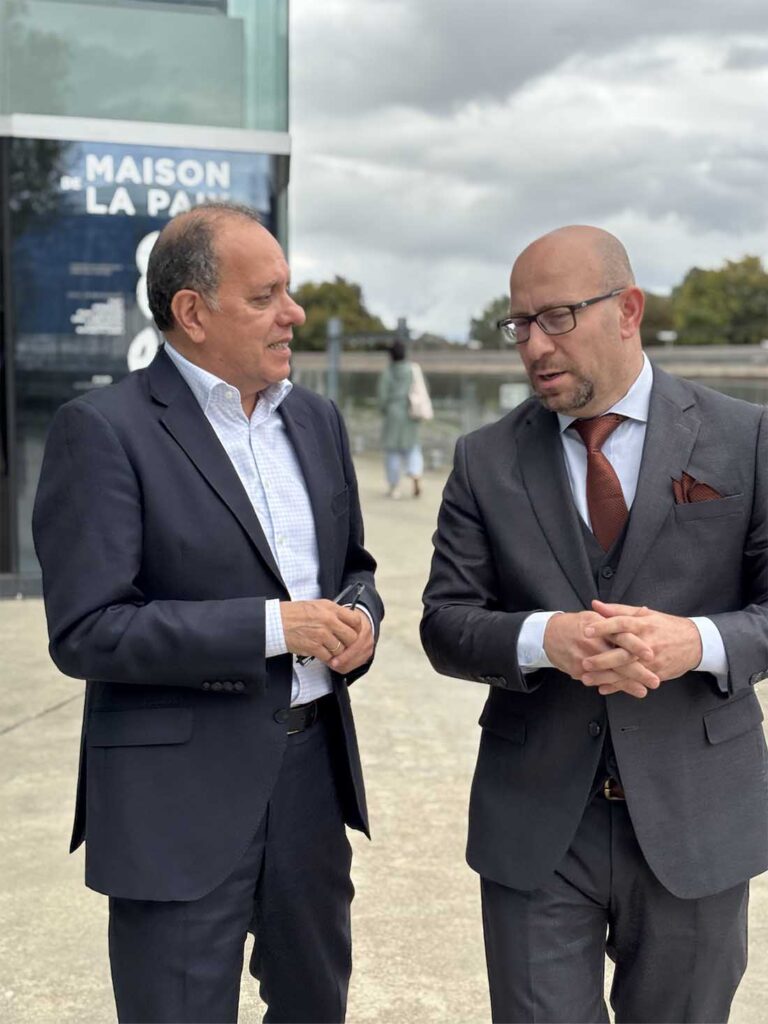
When we think about improving the air we breathe indoors, the solution often seems simple: Buy an air purifier, plug it in, and you’re done. This view treats clean air as a personal consumer choice, a problem that a single technological solution can solve. While high-quality filters are essential, this perspective overlooks the broader context. Ensuring clean, healthy indoor air for everyone is not just a domestic issue; it’s a complex global challenge that intersects with international trade, sustainable finance, and social justice.
As Mr. Meléndez-Ortiz indicated, the problem can feel overwhelmingly complex, but a roadmap for solving it may already exist. To tackle the global challenge of indoor air quality, we can draw powerful lessons from a seemingly unrelated field: the worldwide transition to clean energy. This global effort provides a tested, actionable blueprint that can help us bypass years of trial and error in scaling up life-saving technology, aligning international policy, and ensuring that the benefits reach the most vulnerable populations. The path to a bright future filled with fit-for-purpose filtered air requires us to think beyond filter performance and embrace a more integrated, systemic approach, wherein all stakeholders acknowledge their responsibility in promoting sustainability.