

Tom Justice: Given the significant investments in new data centers, can you offer any projections on how this will affect the air filtration industry?
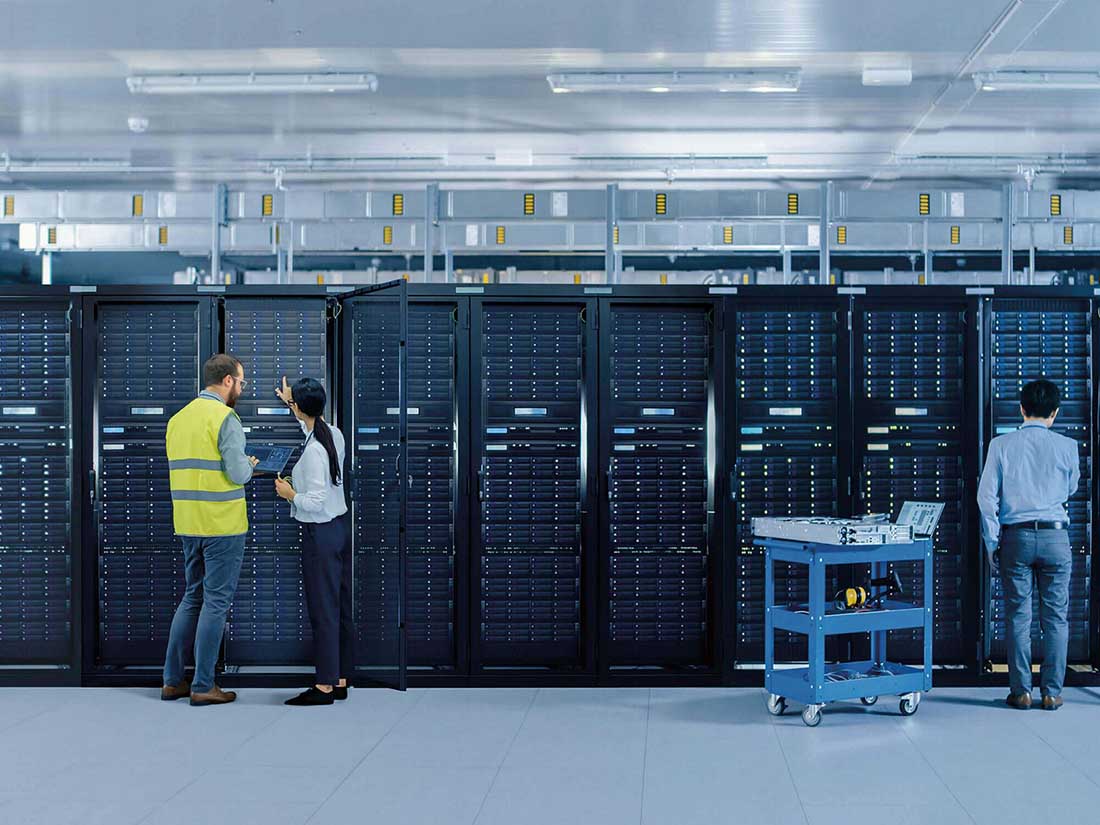
Michael Corbat: While none of the technologies used in most data center applications that are currently in use are new, the number and rapid growth are dramatic. This is similar to what was seen during COVID-19, with a rise in the use of MERV 13 filters, putting direct stress on the supply chain for products entering this market.
There will likely be a large amount of capital installed for manufacturing media and filters for these specific programs.

Justice: Explain the typical filtration systems that are currently being used in data centers and why these products/systems were selected. What are the needs and opportunities for future filtration research?
Corbat: Each data center tends to have its own version of need. Some are seeking the lowest initial pressure drop, others are seeking good pressure drop and efficiency, while others are looking only at initial cost. Individual hyperscalers are often given recommendations from the corporate parent engineering group; however, final decisions are made locally due to environmental concerns.
Filtration research will focus where it always has, with goals of higher efficiency at lower resistance. Now that large technical companies are involved, there will be more funding for development to address traditional constraints.
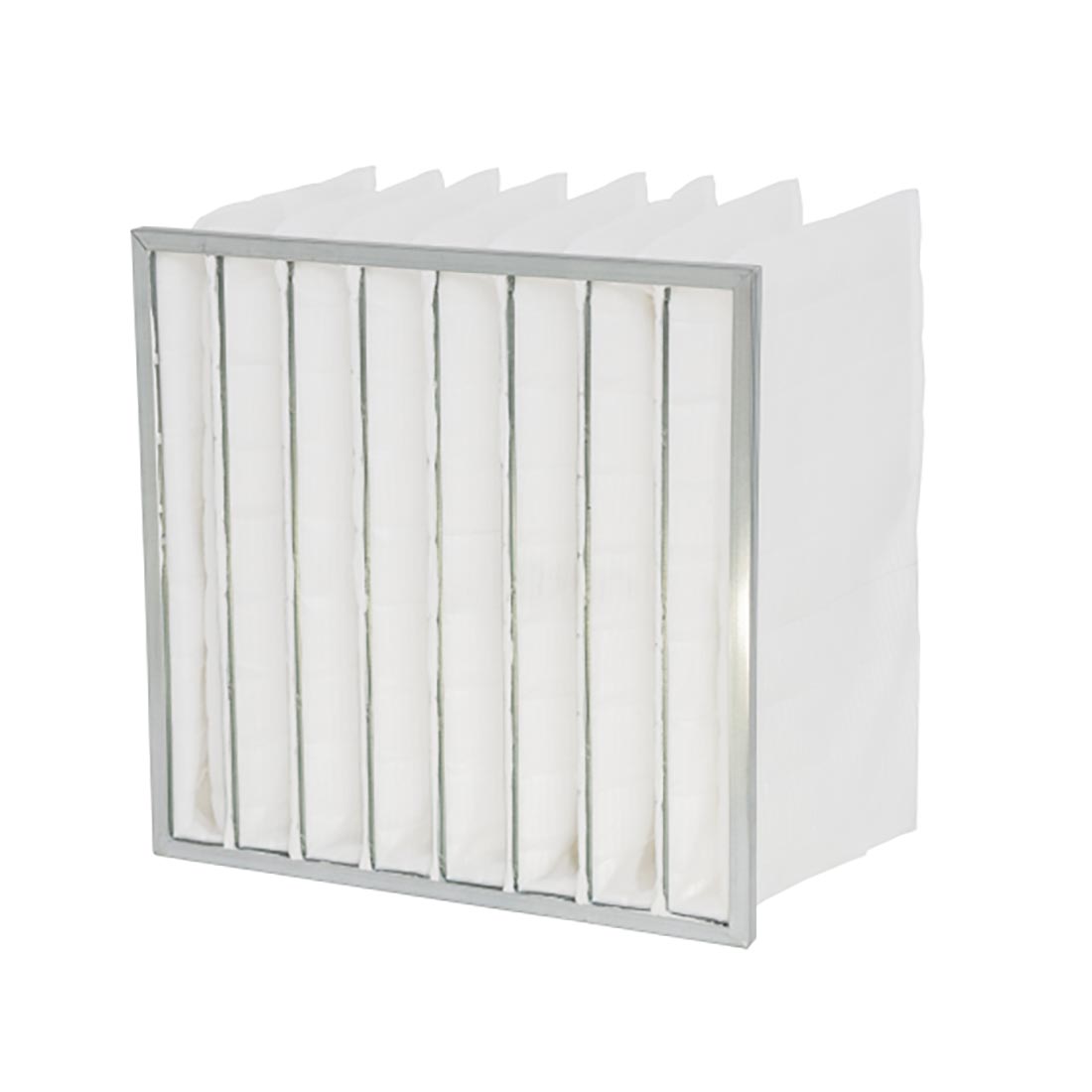
Justice: Pocket filters (a.k.a. bag filters) have been on the decline in North America for close to two decades, with their market share shifting to other filtration options such as compact filters. Now, suddenly we are seeing a revival of this product group, mainly driven by data centers. Why did pocket filters suddenly come back into favor in North America, and why for this particular application?
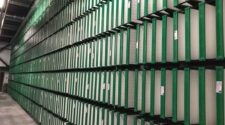
Corbat: Under normal considerations, in internal use, there is a lot of use for solid minipleat filters. Pockets had constraints due to the need to relax and inflate in traditional HVAC applications. However, in data centers, airflow is more constant, allowing the pockets to stay continuously inflated.
Pocket media technology has also taken a leap forward in the industry lately due allowing for improvements in the finished filters.
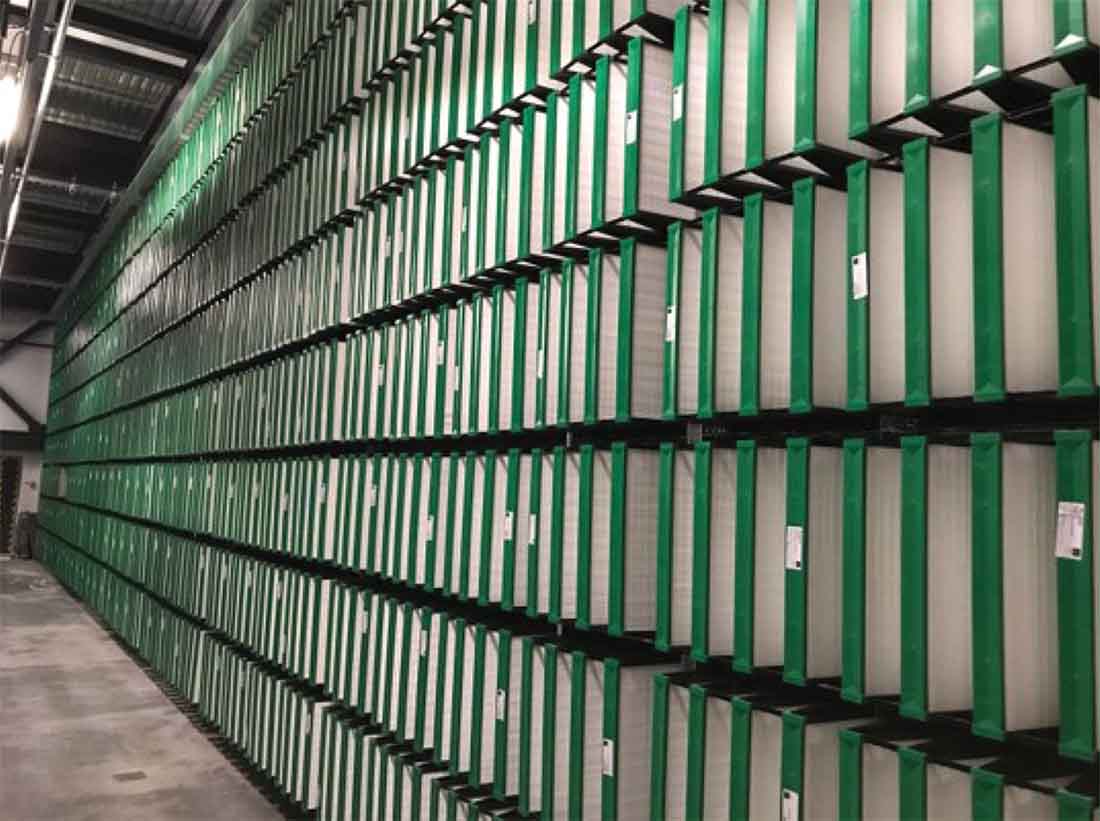
Lastly, pockets tend to ship well, filling three or four in a box that would traditionally hold a 12” V-bank style filter. This allows for installation and shipping reductions on installations that could be in the thousands of filters.
Each data center tends to have its own version of need. Some are seeking the lowest initial pressure drop, others are seeking good pressure drop and efficiency, while others are looking only at initial cost.
Justice: Currently, conventional filters are used to capture both gases and small particles that could damage servers. Could there be or are there other cutting-edge technologies under development that might become a major disruptor for this industry?
Corbat: Currently, the need to keep the processors cool is the greatest concern. The second aspect is to keep the processors clean. These can be accomplished with traditional filters.
Whatever is determined to be the third most important factor after the first two will allow for a disruption as long as the first two objectives are met. At this point, the industry is simply not mature enough yet.
Justice: With so much attention focused on reducing landfill usage and lowering carbon footprints do you see renewable, biodegradable, compostable, or incinerable solutions in filter design gaining favor with data center operators?
Corbat: Without a regulatory standards-setting body in place, data center companies must take it upon themselves to focus on total cost of ownership while reducing environmental impact.
It is a challenge and a balancing act. Sustainability is important to all companies, however, airflow efficiency, and total cost of ownership still drive decisions. If the right balance can be struck, and products can be developed to achieve maximum sustainability objectives and meet strict performance, reliability and cost thresholds, then we may be on to something.
The key is whether companies will find the worth in paying more for highly specialized products or can more commodity-oriented solutions be found?
Justice: With so much attention focused on reducing landfill usage and lowering carbon footprints, do you see renewable, biodegradable, compostable, or incinerable solutions in filter design gaining favor with data center operators?
Corbat: This has the potential to be a disruptor in the sector, with many hyperscalers pursuing net-zero corporate strategies as well. If this can be incorporated in the design without a major impact on performance and price, then yes, it has the potential to gain favor in the marketplace.
Justice: How do you see the debate over air cooling versus direct liquid and immersion cooling affecting the projected demand for air filters.
Corbat: The immersion will have the greatest impact on demand, followed by direct-to-chip. As these technologies advance and consume more energy, they will offset the need for some intake air filters.
That will only be a slowdown due to limitations in other technologies, again proving that the industry has not yet reached maturity.
Justice: What future air filtration performance criteria are being demanded by data centers and can these goals be met?
Corbat: We have seen requests specific to each data center. Some requests are for very specific E values that do not align perfectly with a MERV value. Others might like washability or recyclability to be a focus of development. There are many innovative ideas being driven by engineers from data centers who do not know the filtration market. The goal is, as it always has been, to achieve higher efficiency with lower life pressure drop for reduced costs. Now we have a chance to listen to new ideas from the industry, which may help us drive forward not only here but in many other markets as well.
Local support and service, with the ability to hear the voice of the customer, will be a key differentiator for tomorrow’s suppliers.
RENSA and Data Centers
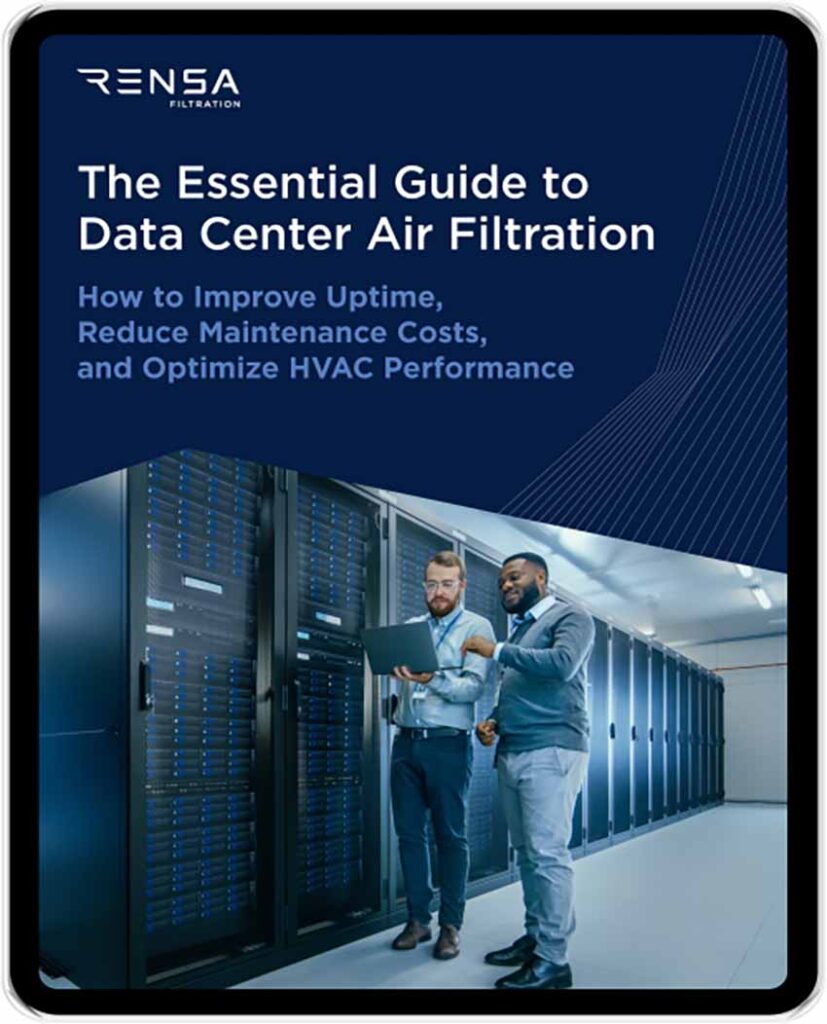
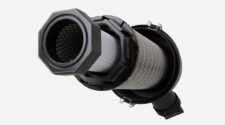
RENSA’s solutions achieve 99.999% uptime and reduce energy and operating costs by up to 40%. RENSA offers filtration solutions that optimize total cost of ownership—from energy usage to filter longevity. Their website showcases an informational video at https://www.rensafiltration.com/industries/datacenters for one of the company’s recommended solutions for data centers’ Fresh Air Intakes to help customers maintain uptime, eliminating dust, particles, and debris from affecting the data center’s equipment. It features the following products RENSA: PreVent Air Intake Filter, Revolution Pocket Filter, Endurex HD Pre-Filter, and SuperFlo Mini-Pleat Final Filter. Another resource for the industry is the company’s “Essential Guide to Data Center Air Filtration,” an eBook that features how to improve uptime, reduce maintenance costs, and optimize HVAC performance. It is downloadable from the website listed above.
The Revolution Pocket Filter is an extended surface air filter built around NanoWave technology, a “best of both worlds” filtration media combining the superior mechanical filtration properties of fiberglass with the non-shedding moisture resistant properties of synthetic.
The synthetic media utilizes internal “waves” to increase surface area by more than 2.4x in the same space. The unique synthetic fiber matrix will not lose its efficiency compared to other synthetic or “electrostatic” pocket or bag filters used in the market.
Resistant to humid environments, it has a greater dust holding capacity when compared to other media. It is sonic-sealed for leak free seams.