

Tom Justice: Given the significant investments in new data centers, can you offer any projections on how this will impact the air filtration industry?
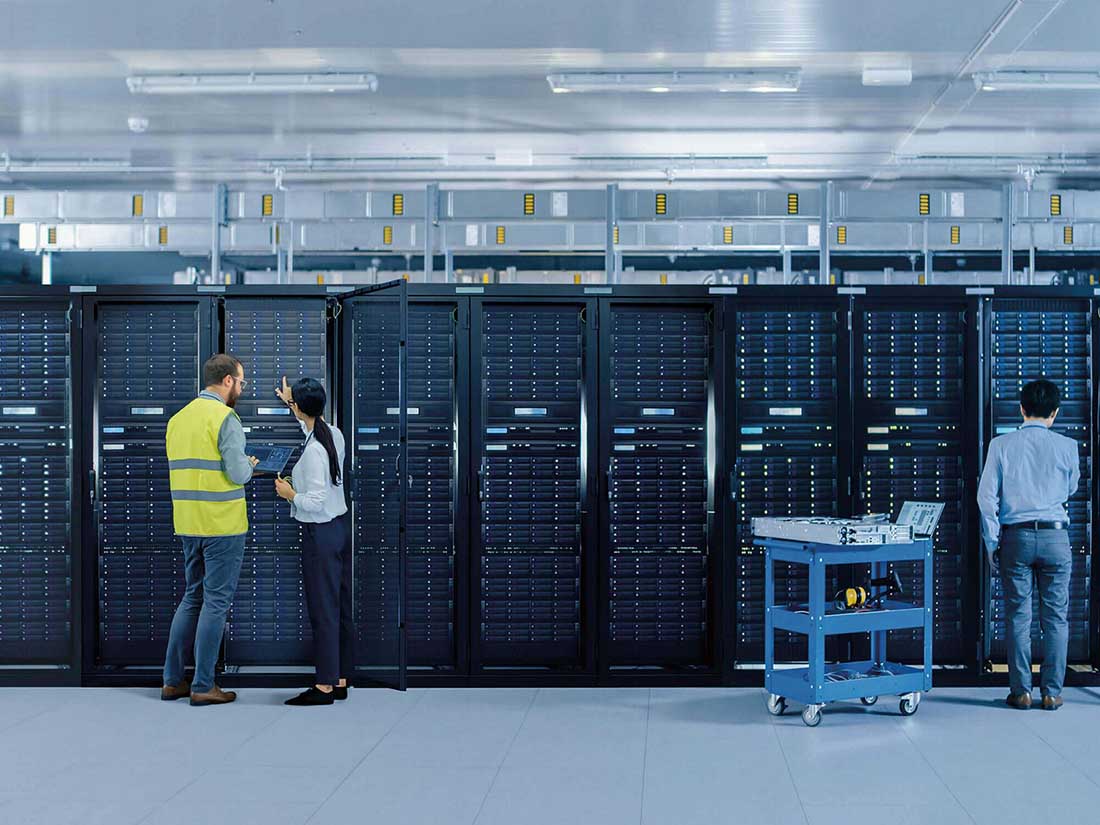
Dr. Mark Müser: The data center industry is in a period of historic expansion, with projections showing operational capacity in the Americas, for example, set to more than triple by 2031. This places an immense responsibility on our industry. As a long-standing leader in filtration, MANN+HUMMEL sees its role evolving from being a component supplier to a strategic enabler of infrastructure resilience and efficiency.
This growth means the demand for filtration is broadening. It’s no longer just about air. It encompasses a holistic need for purity across the entire facility—from the air that cools the servers to the liquids in advanced cooling circuits to the fuel powering backup generators. For us, this fits directly with our purpose: separating the useful from the harmful to deliver cleaner air, cleaner water, and cleaner industry. Our projection is that operators will increasingly value a partner who can provide a reliable foundation of proven purity across all these applications. This ensures their multi-billion-dollar assets are protected, allowing them to focus on their core business of delivering the digital services that power our world.
Justice: Explain the typical filtration systems that are currently being used in data centers and why these products/systems were selected. What are the needs and opportunities for future filtration research?
Dr. Müser: Data centers have traditionally used a layered setup, combining multiple stages of air filtration with liquid purification, all aimed at minimizing risk and ensuring continuous uptime.
Looking ahead, the opportunity lies in advancing beyond conventional designs. One area of focus is liquid cooling, which is becoming increasingly important as rack densities rise and thermal loads escalate. Filtration solutions must evolve to support these systems, ensuring purity and stability while minimizing operational risk. At the same time, advanced materials that deliver higher dust-loading capacity and lower resistance will help improve energy efficiency and extend filter life—reducing both operating costs and environmental impact.
At MANN+HUMMEL, our research teams are already working on next-generation materials and system designs that support this shift—driven by our ambition to remain the global leader in filtration innovation across all media.
Future research will center on balancing durability, efficiency, and sustainability. By creating solutions that meet the demands of high-density computing while reducing environmental impact, data centers can realize meaningful gains in total cost of ownership and long-term operational performance.
Justice: Pocket filters (a.k.a. bag filters) have been on the decline in North America for close to two decades, with their market share shifting to other filtration options such as compact filters. Now, suddenly, we are seeing a revival of this product group, mainly driven by data centers. Why did pocket filters come back into favor in North America, and why for this particular application?
Dr. Müser: The renewed interest in advanced pocket filters underscores a simple fact: in the data center world, proven, predictable performance matters most. In these high-stakes environments where uptime cannot be compromised, operators choose technologies that deliver reliable, consistent performance even under demanding conditions.
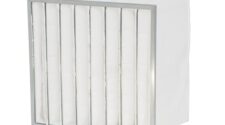
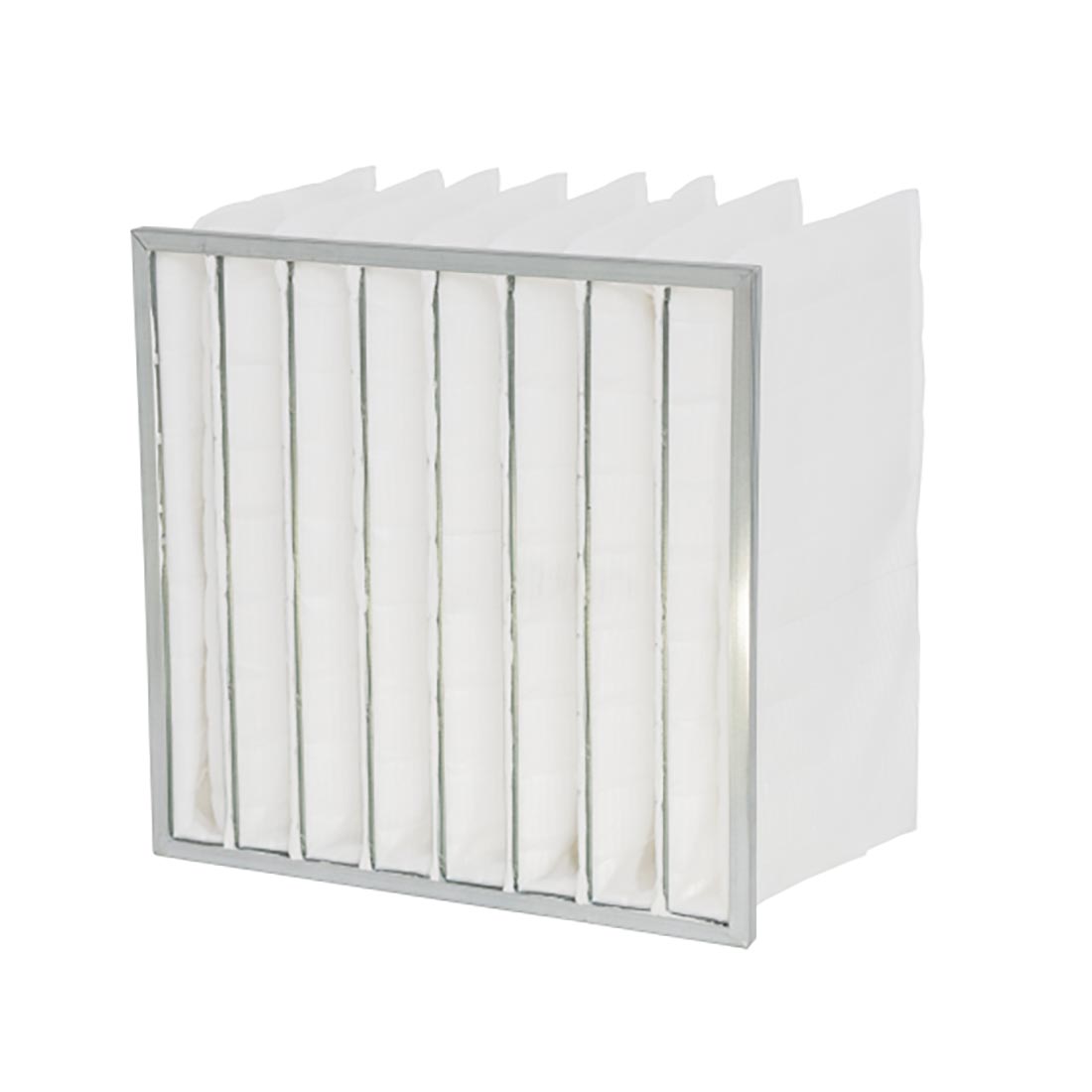
While the form factor may appear familiar, today’s pocket filters are engineered for a new era of computing. Modern data centers require exceptional durability, high dust-holding capacity, and low pressure drop to maintain efficiency and control energy costs. Our ProPocket DC Elite Bag Filters set this benchmark. With a tapered pocket design, they maximize dust capture while minimizing airflow resistance—extending service life and improving energy performance, both critical in high-density computing environments.
This is more than design innovation; it’s about delivering stability and compliance. By combining robust construction with advanced engineering, these filters help operators achieve the lowest total cost of ownership while meeting OEM specifications. That reliability provides the operational peace of mind that data center managers demand as they navigate the challenges of scale, sustainability, and performance.
Justice: Currently, conventional filters are used to capture both gases and small particles that could damage servers. Could there be or are there other cutting-edge technologies under development that might become a major disruptor for this industry?
Dr. Müser: The next major disruption in data center filtration will come from breakthroughs in advanced materials and sustainable product design rather than incremental improvements to conventional filters. However, material innovation alone won’t be enough. As data centers scale and workloads intensify, operators will need a higher level of system optimization. This is where predictive tools such as an Intelligent Purity Management System come into play. By leveraging advanced modeling and performance insights, these solutions can help optimize operations and anticipate future needs—supporting efficiency, reliability, and cost control.
The combination of advanced materials, sustainable design, and predictive intelligence is shaping the future of filtration. It’s no longer just about capturing contaminants, but about creating smarter and more sustainable systems that meet the demands of high-density computing while improving long-term efficiency and compliance. This aligns closely with MANN+HUMMEL’s strategic direction to enable cleaner air, cleaner water, and a cleaner industry through integrated purity management.
Justice: With so much attention focused on reducing landfill usage and lowering carbon footprints, do you see renewable, biodegradable, compostable, or incinerable solutions in filter design gaining favor with data center operators?
Dr. Müser: Responsible end-of-life solutions are gaining attention, and we are committed to advancing sustainable product design. While renewable or biodegradable options may play a role, the most immediate impact on sustainability comes from improving energy efficiency—and optimizing filter performance can positively influence a facility’s power usage effectiveness. Lower pressure drop means less fan energy, which translates directly into reduced power consumption and carbon emissions.
Looking further ahead, our advanced R&D teams are focused on what will truly drive change in data centers: innovative materials and designs that lower environmental impact while delivering superior performance. This includes developing products with a smaller carbon footprint and exploring sustainable components that meet the rigorous demands of high-density computing environments.
Our vision combines breakthrough engineering with practical solutions that support the evolving priorities of data center operators—balancing efficiency, reliability, and sustainability to help shape the future of filtration.
This integrated view of air and liquid purity is exactly where MANN+HUMMEL’s leadership in filtration brings value to operators seeking total facility reliability.
Justice: How do you see the debate over air cooling versus direct liquid and immersion cooling affecting the projected demand for air filters?
Dr. Müser: We see an evolution, not a replacement. While liquid cooling is a vital technology for managing the extreme heat loads of AI hardware, it expands the need for comprehensive filtration rather than eliminating it. The mission simply grows.
Our perspective is that a hybrid approach will become standard. Critical air filtration will always be necessary to protect the overall white space, networking equipment, power infrastructure, and staff areas from contamination.
Simultaneously, the introduction of liquid cooling creates an entirely new and critical demand for high-performance liquid filtration to protect pumps, prevent blockages in cooling channels, and maintain the integrity of dielectric fluids.
Our role is to serve as the expert partner for contamination control across this entire, integrated ecosystem, ensuring total facility reliability. With our strong position as a membrane specialist and capabilities in fluid handling, we are uniquely positioned to address today’s and tomorrow’s most pressing issues for our clients in immersion cooling.
Justice: What future air filtration performance criteria are being demanded by data centers, and can these goals be met?
Dr. Müser: The industry’s demands are evolving from simple product specifications to guaranteed operational outcomes. The key criteria for the future are:
- Verifiable Performance: Operators require validated data demonstrating a filtration solution’ s impact on power usage effectiveness and total cost of ownership throughout its lifecycle.
- Holistic Purity: They need a partner who can provide expert solutions for air, process liquids, and water, ensuring comprehensive protection.
- Auditable Sustainability: They demand clear, data-backed proof of energy savings and transparent documentation of material composition to meet their ESG goals.
- Supply Chain Resilience: In an era of rapid growth, guaranteed product availability and a resilient supply chain are as critical as technical performance.
Can these goals be met? Absolutely.
Meeting them requires a partner with a deep engineering heritage and the breadth of expertise to address the entire facility. As a global leader in filtration, we are committed to providing comprehensive, proven purity that customers can build their critical operations on. This is how we fulfill our purpose: by expertly separating the useful from the harmful to protect people, machines, and natural resources.
MANN+HUMMEL in Action
Efficient filtration of the air prevents corrosion, among other things, and is a key technology for enabling continuous and safe operation of data centers. Corrosion poses significant risks and occurs regardless of whether data centers are located in inner cities, industrial areas, or rural areas.
MANN+HUMMEL’s reliable protection against corrosion and its consequences are found in a comprehensive range of products and services for ventilation and air-conditioning systems in data centers. MANN+HUMMEL’s filter experts can help make smart, energy-efficient filter and service choices for applications.