

Tom Justice: Given the significant investments in new data centers, can you offer any projections on how this will affect the air filtration industry?
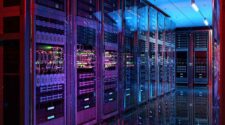
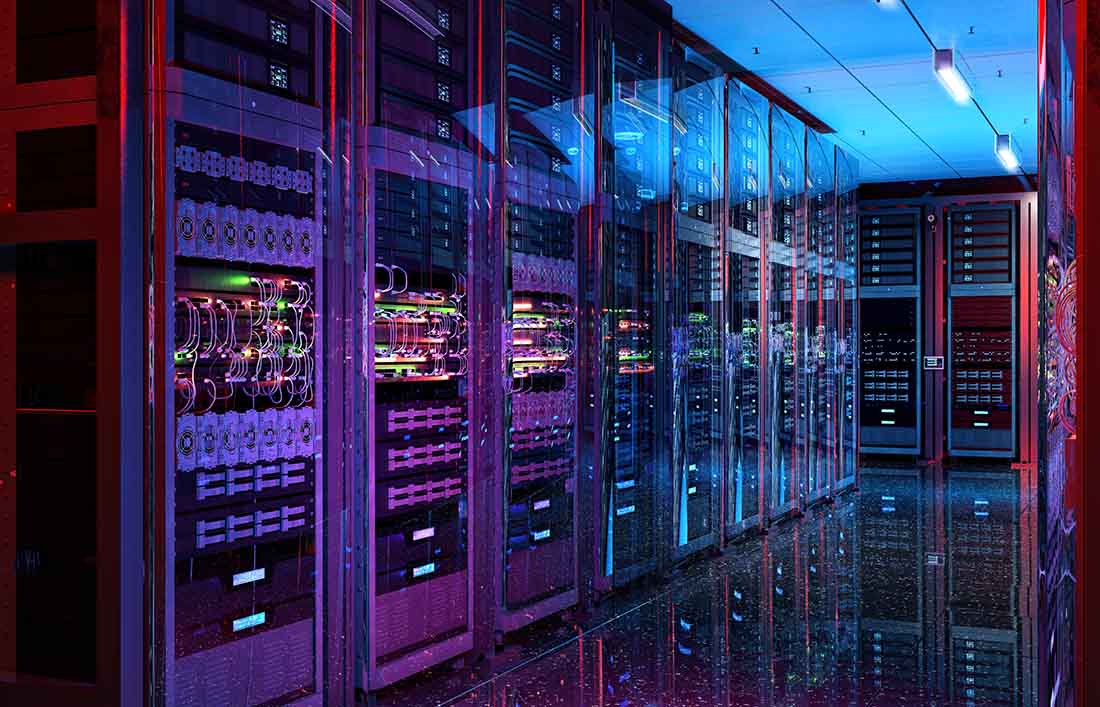
Adam Wiggins: The current wave of hyperscale AI facilities has fundamentally changed how operators view air filtration, from a basic HVAC component to critical infrastructure alongside power and cooling, where even minor contamination can potentially create server failures. The shift to hybrid liquid-air cooling, where liquid handles roughly 70% of the load but still rejects heat to air, makes clean, low-pressure-drop filtration even more vital to protect both servers and microchannel coolant loops. That’s driving demand for smarter, hybrid-ready filter systems that integrate seamlessly with mixed cooling designs.

Justice: Explain the typical filtration systems that are currently being used in data centers and why these products/systems were selected. What are the needs and opportunities for future filtration research?
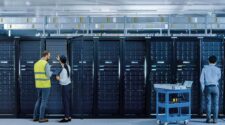
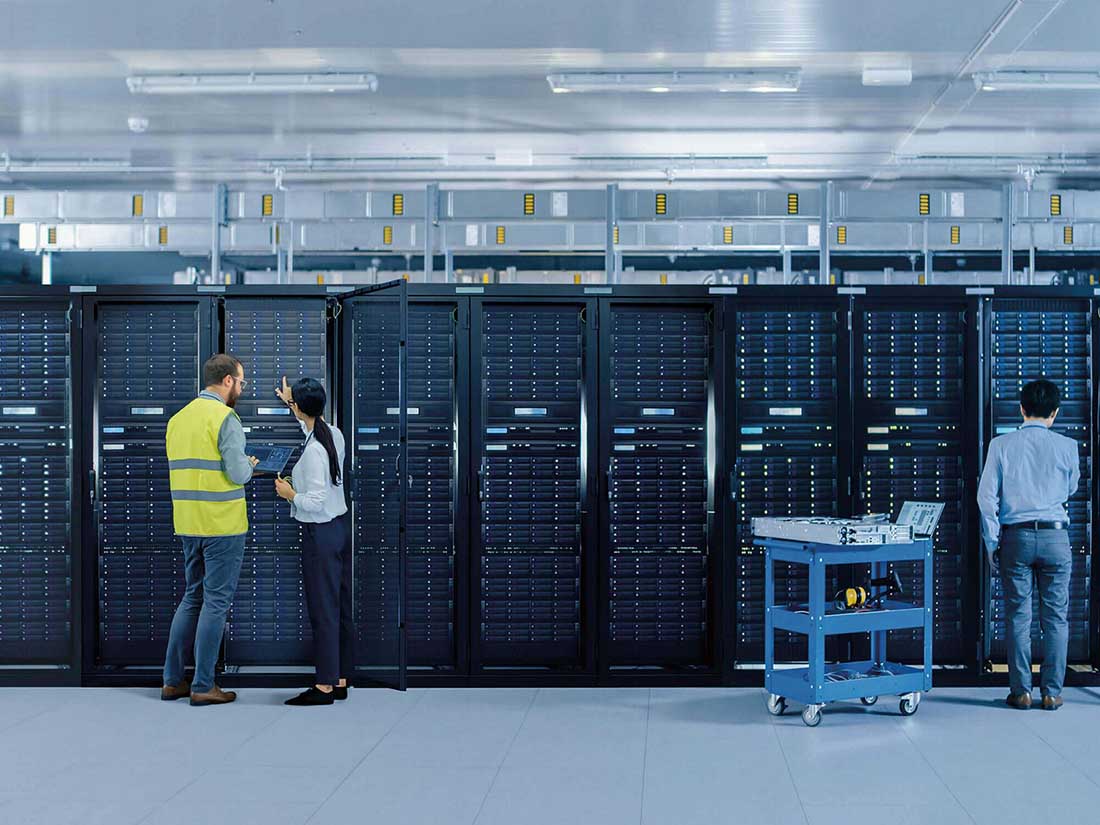
Wiggins: Data centers rely heavily on air and water filtration systems to maintain optimal operating conditions for servers, networking equipment, and other sensitive hardware. These systems primarily target air quality to prevent dust, particulates, and corrosive gases from causing equipment failure, while water filtration supports cooling loops to avoid scaling, fouling, and inefficiencies.
With the demand for power and sustainability goals in the data center space, there are opportunities with filtration to improve energy efficiency solutions, real-time monitoring, more sustainable media, and ways to reduce CO2 off-gassing.
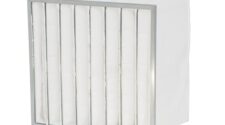
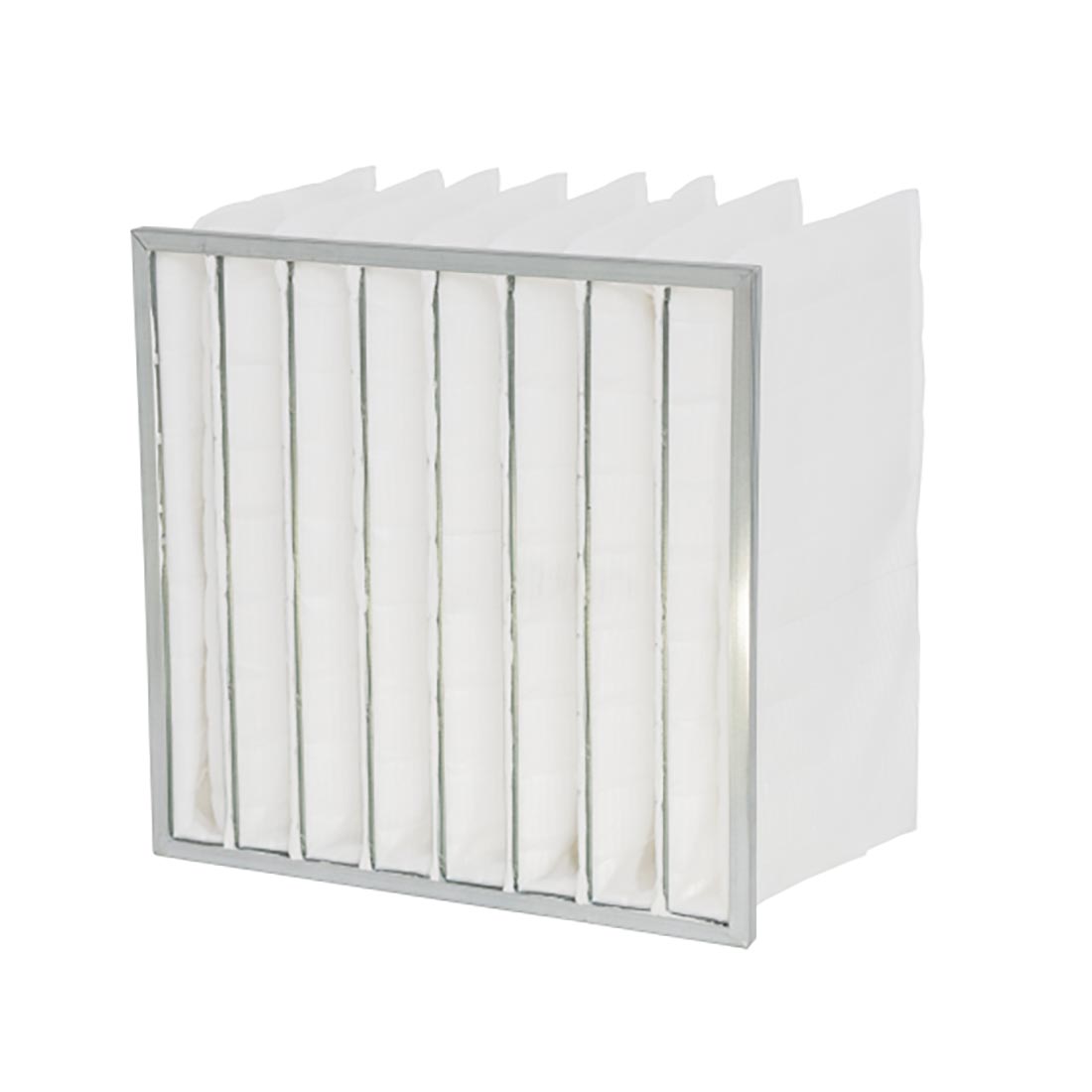
Justice: Pocket filters (a.k.a. bag filters) have been on the decline in North America for close to two decades, with their market share shifting to other filtration options such as compact filters. Now, suddenly, we are seeing a revival of this product group, mainly driven by data centers. Why did pocket filters suddenly come back into favor in North America, and why for this particular application?
Wiggins: AI-driven data centers demand maximum dust-holding capacity with minimal pressure drop to support aggressive free-air and hybrid cooling strategies.
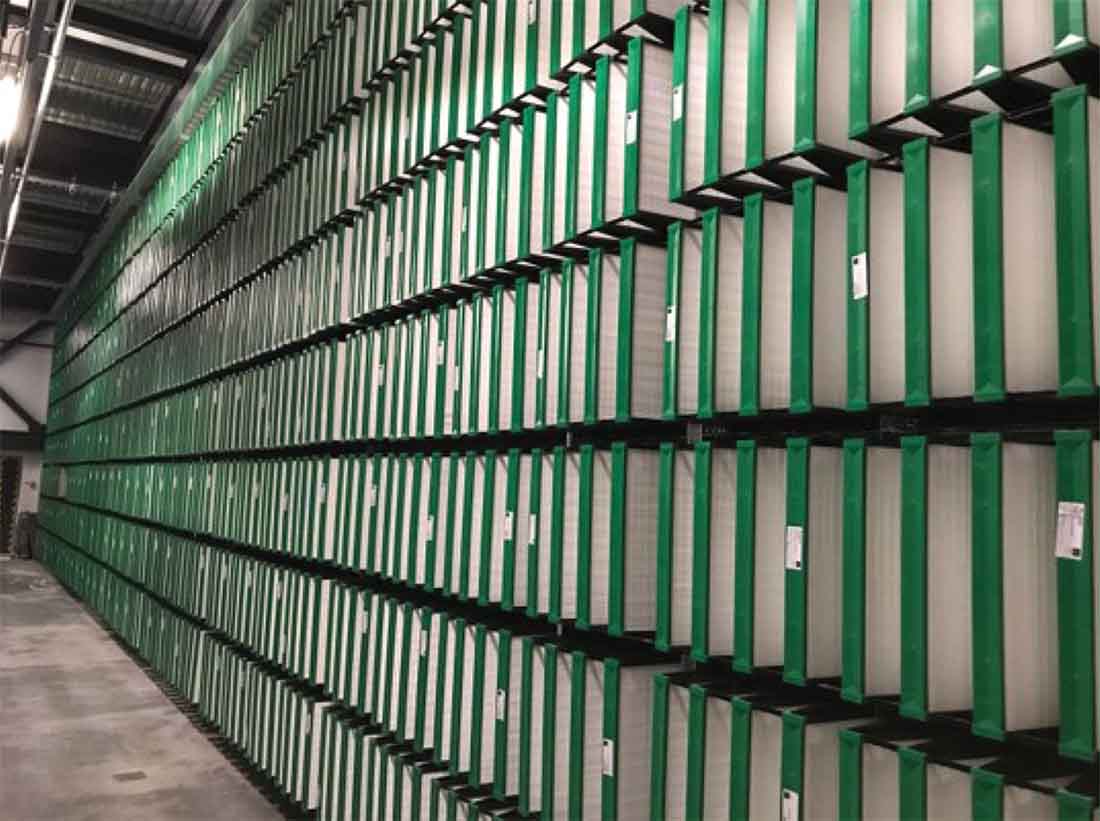
Their deep-pocket design delivers 2–3× the media area of compact filters, cuts fan energy use by 15–35%, extends change-out intervals, and complements maintaining ISO corrosion class G1/G2 protection in high-volume airflow environments that rigid compacts simply can’t match.
In an industry where every 0.1 drop in PUE and every avoided hour of downtime is worth millions, pocket filters have become a popular choice for performance, OPEX savings, and sustainability compliance.
Sustainability pressure is pushing data center operators toward renewable, biodegradable, and compostable filter options. This is gaining traction rapidly. It’s no longer “nice-to-have;” it’s becoming a board-level checkbox for ESG and cost of capital.
Justice: With so much attention focused on reducing landfill usage and lowering carbon footprints, do you see renewable, biodegradable, compostable, or incinerable solutions in filter design gaining favor with data center operators?
Wiggins: Yes, sustainability pressure is pushing data center operators toward renewable, biodegradable, and compostable filter options. This is gaining traction rapidly.
It’s no longer “nice-to-have;” it’s becoming a board-level checkbox for ESG and cost of capital.
Justice: How do you see the debate over air cooling versus direct liquid and immersion cooling affecting the projected demand for air filters?
Wiggins: The shift to liquid and immersion cooling for AI/high-density racks is indeed tempering future long-term growth in air filter demand as these setups bypass traditional HVAC airflow entirely. However, hybrids and legacy/edge facilities will keep baseline needs steady, creating a market where premium air filters persist for residual applications.
Justice: What future air filtration performance criteria are being demanded by data centers, and can these goals be met?
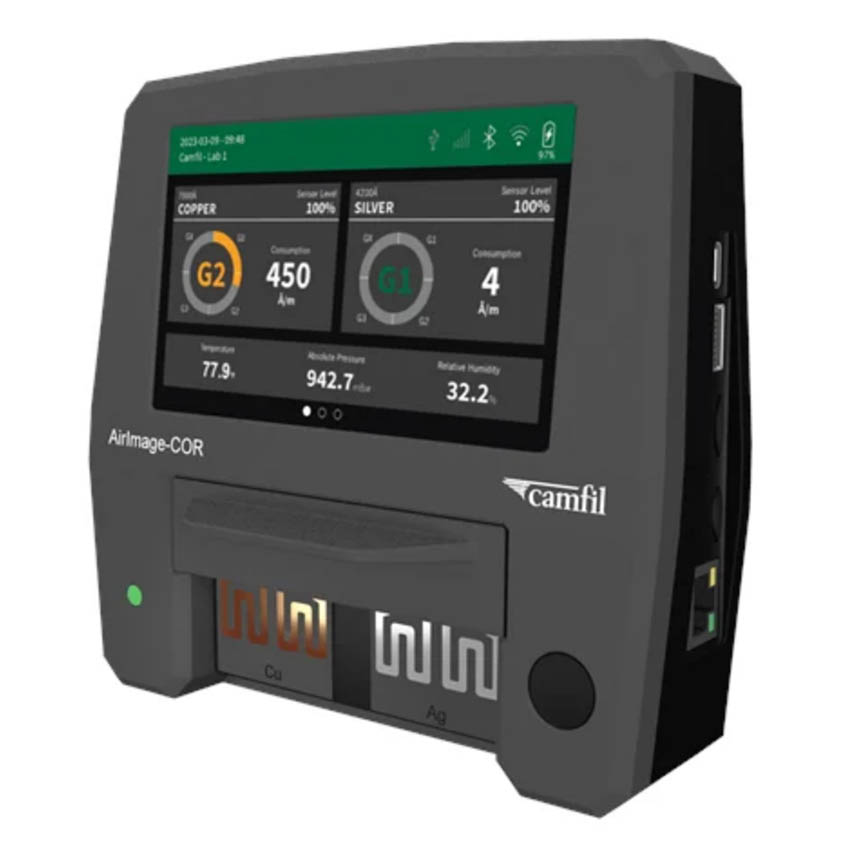
Wiggins: Data centers are quietly pushing for higher particle capture, low-pressure drop, gaseous protection monitoring, and smart predictive features, all while hitting strict sustainability targets.
Data Centers and Camfil
Particulate and gaseous contaminants pose a serious threat to this security. They can come from indoor sources, from people entering and exiting the building, and from outdoor ventilation systems. These contaminants can result in equipment downtime, complete failure, or in worst case, loss of data. Risks include:
- Corrosion of components due to dust containing sulfur-bearing gases
- Obstruction of cooling air flow and deformation of surfaces
- Electrical impedance changes, circuit failure and burnout, with the associated fire risk
Data centers consume 2% of all the electricity used in the United States, and 32% of that is used by the air-conditioning system.
In locations with naturally cool climates, facility owners turn to free-air cooling to address energy costs. But the incoming air must be purified to protect the equipment.
Camfil’s 5-Star air filters can help you reduce your energy costs—in many cases, up to 40% or more. Use Camfil’s life cycle software to consider filter price, disposal costs, energy costs and labor costs associated with the air filtration solution.