

Data Centers Reshape the Filtration Landscape as AI Accelerates
The escalating needs of data centers—largely driven by hyper-activated market expectations for artificial intelligence (AI)—have, without doubt, been a major influence on recent mergers and acquisitions across the U.S. filtration industry.
Not least, is the acquisition by Parker Hannifin—announced on November 11, 2025—of Filtration Group, on a cash-free, debt-free basis, for $9.25 billion.
The agreed price is 19.6 times Filtration Group’s estimated 2025 EBITDA and 13.4 times that figure, including expected cost synergies.
Another notable development is Rensa Filtration’s acquisition, for an undisclosed sum, of German company Irema-Filter and its US subsidiary Aeolus Filter Corporation—Rensa’s ninth acquisition since it was taken over by private equity firm Audax in 2022.
Further moves include the $450 million acquisition of Koch Filter by Atmus Filtration Technologies and significant activity among smaller-scale players.
Scale and Intensity
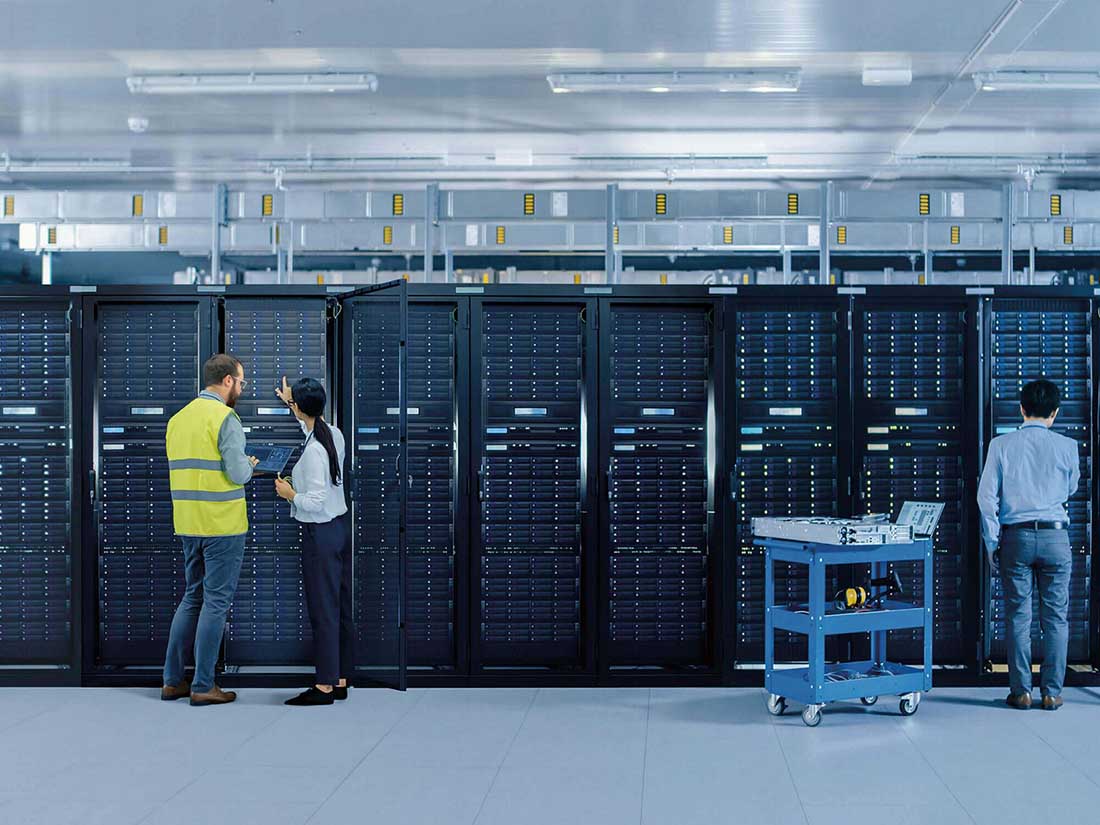
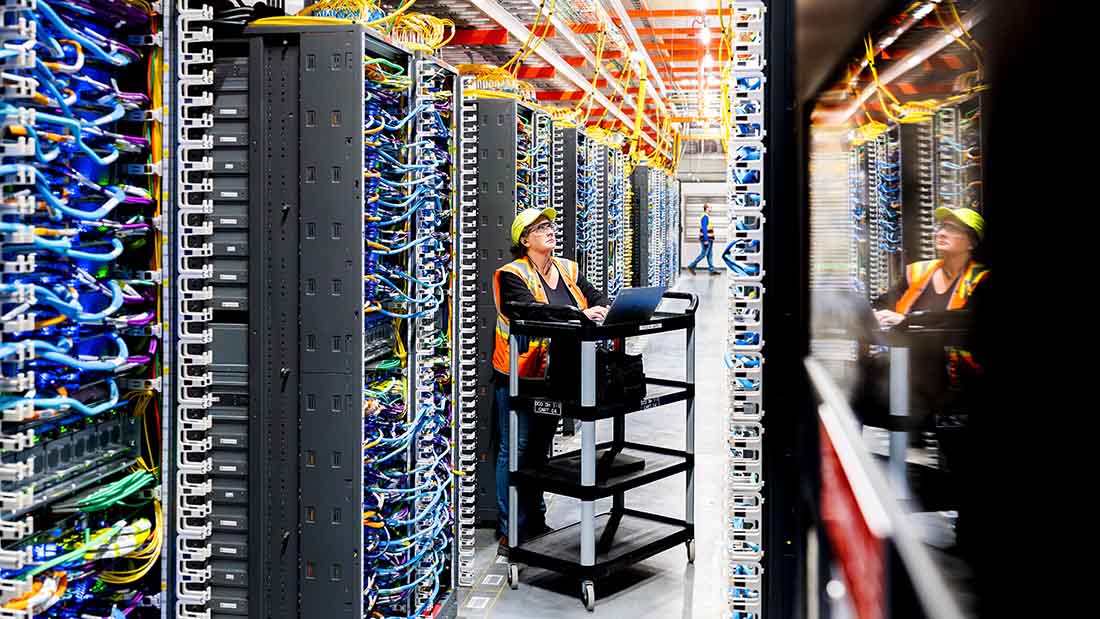
Underpinning not just AI but also cloud services, financial markets, and national infrastructure, data centers now operate at a scale and intensity previously unimaginable, housing dense arrays of servers and networking equipment that continuously process vast volumes of data.
While attention is frequently directed towards power resilience, cooling architecture, and cybersecurity, the quality of the air circulating through these environments remains one of the most influential yet undervalued determinants of performance and longevity.
Explosive Growth
Global electricity consumption by data centers is forecast to approach 945 terawatt-hours per year by the end of this decade, with the sector already accounting for approximately 2-3% of total global electricity use and, in some scenarios, projected to reach 4%.
This escalation is being accelerated by the explosive growth of AI workloads, with some projections indicating a 165% increase in data center power demand by 2030 compared with 2023 levels. Such figures translate directly into immense thermal loads and a relentless requirement for controlled airflow, both of which heighten the importance of maintaining exceptionally clean, stable air conditions.
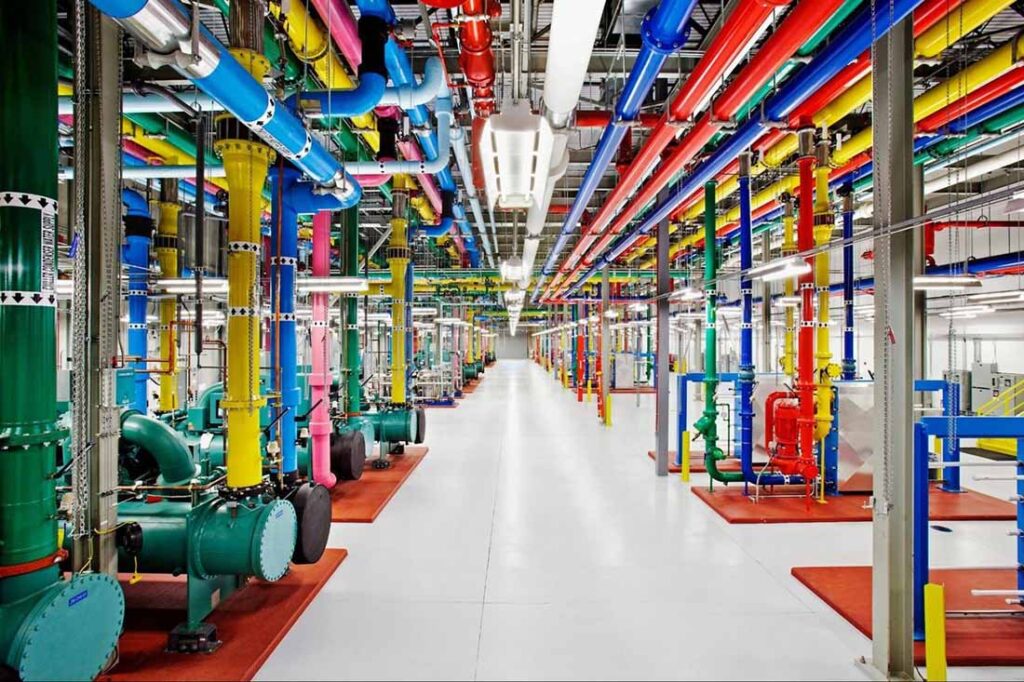
Cooling systems consume a substantial share of non-IT energy in data centers, and their effectiveness is intrinsically linked to the quality of the air they move. Modern efficiency benchmarks, expressed through power usage effectiveness (PUE), highlight this dependence. Leading operators now report energy-weighted annual PUE values approaching 1.09, meaning that only 9% of total energy is consumed beyond the IT load itself. Achieving and sustaining such performance demands tightly controlled airflow with minimal resistance and stable thermal dynamics. Contaminated air undermines this balance, forcing fans and cooling systems to operate harder, drawing more power and eroding the very efficiency gains that data center operators strive to achieve.
Critical Role
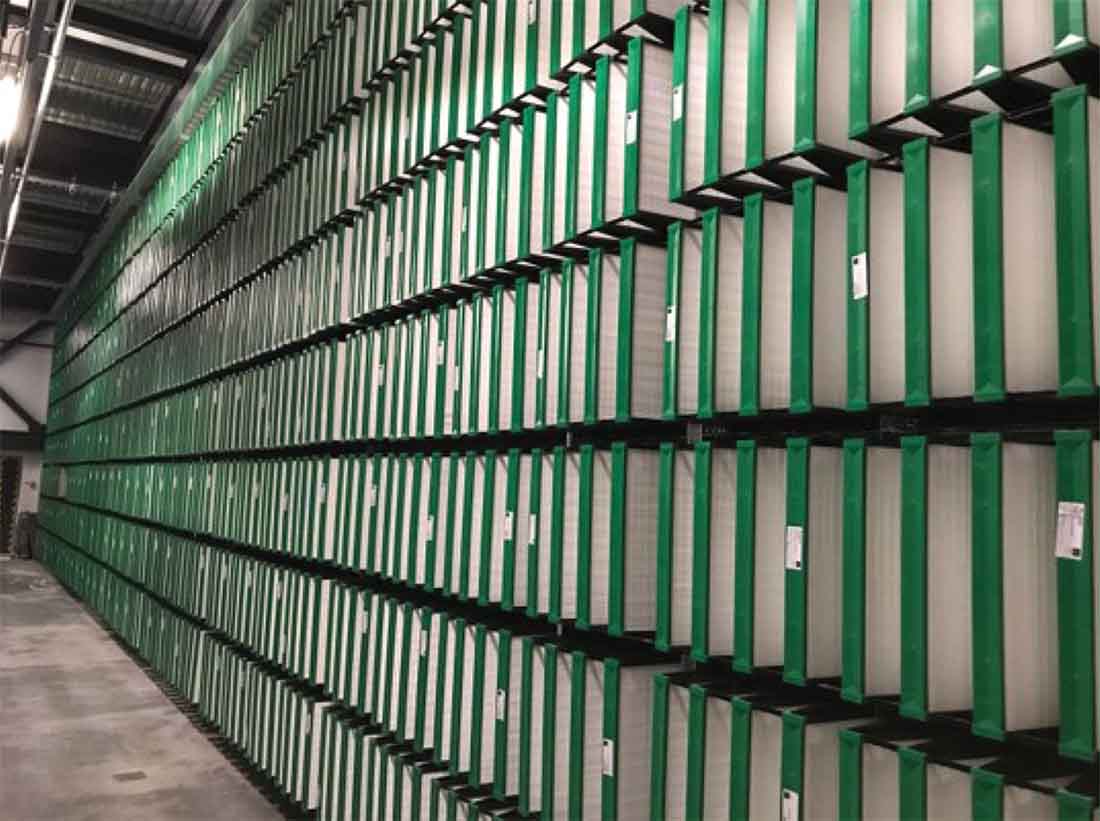
Filtration assumes a critical role here, since air drawn into or recirculated within a data center inevitably carries particulate matter, aerosols, and gaseous pollutants. The tiniest of particles can settle on sensitive electronic components, obstruct heat sinks, and disrupt finely engineered airflow paths. Over time, this leads to uneven temperature distribution, localized hotspots, and accelerated component wear. The consequences are not trivial. Reduced equipment lifespan, increased failure rates, and unplanned downtime pose both financial and reputational risks in an industry where continuous availability is fundamental to business operations and trust.
Traditional filtration systems often struggle with the finer fractions of airborne contamination. Standard air conditioning unit filters may fail to effectively capture particles in the 0.5 to 1.0 micron range—precisely the size most likely to penetrate deep into server enclosures and accumulate on printed circuit boards. These micro-contaminants contribute to thermal insulation effects, corrosion and gradual performance instability.
Essential Balance
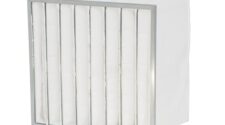
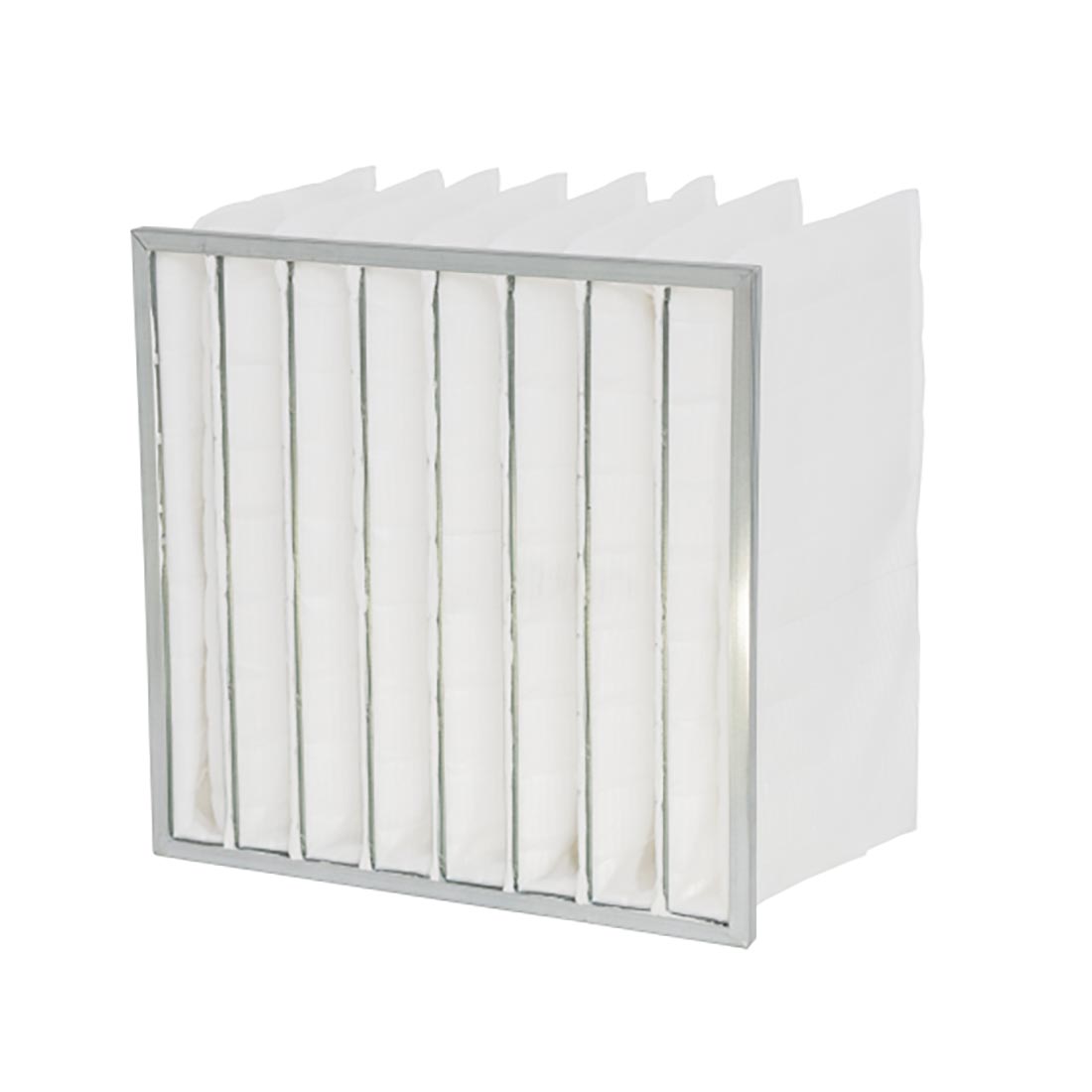
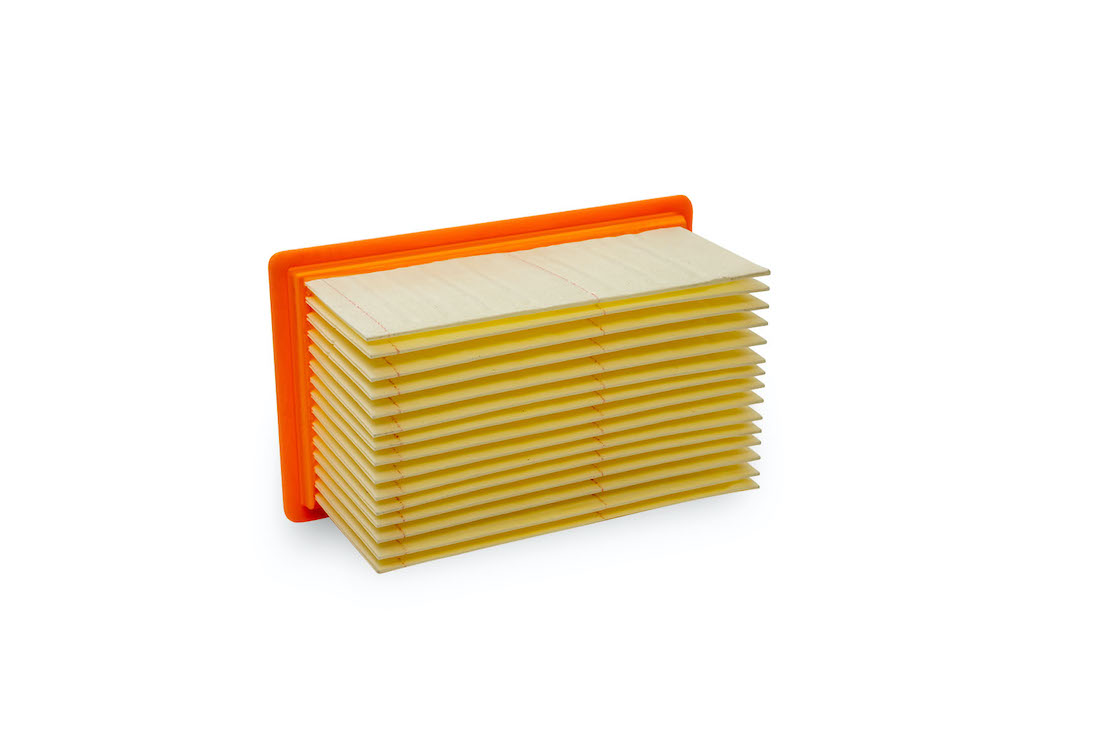
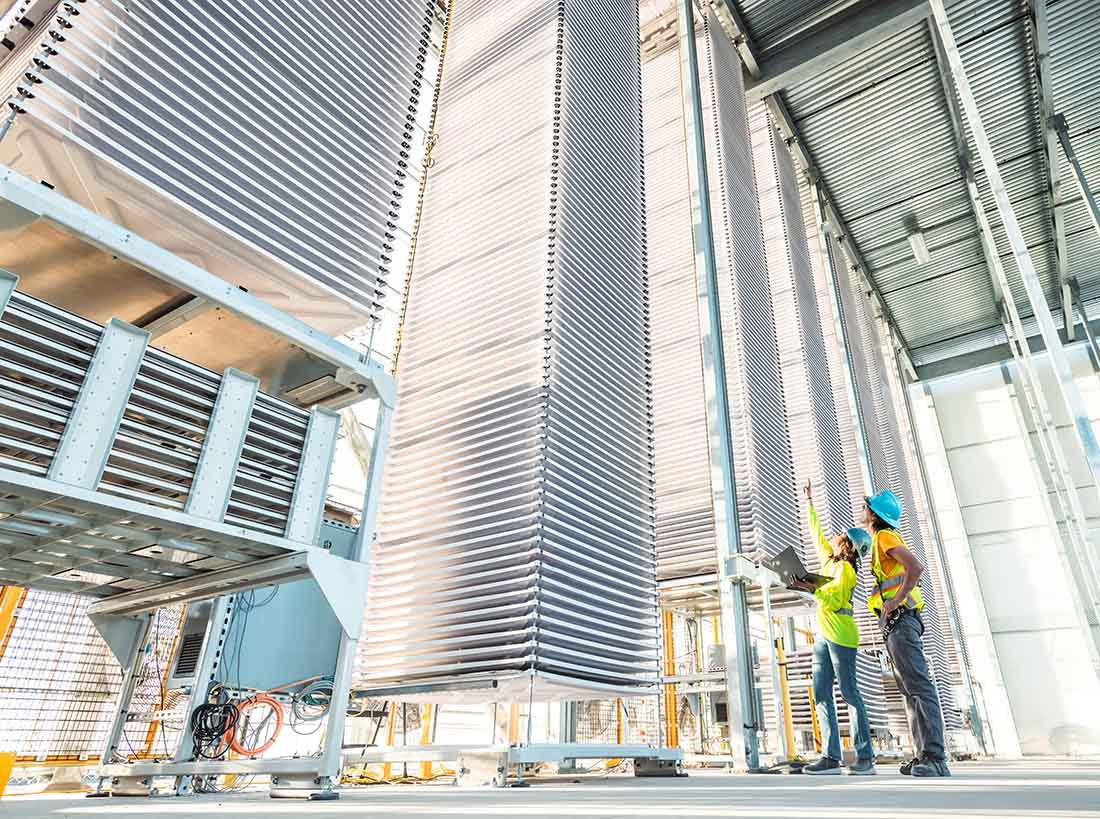
Advanced nonwoven filter media are specifically engineered to address this challenge, offering controlled pore-size distributions and fiber geometries that enable efficient capture of fine particulates without excessive pressure drop.
This engineering flexibility results in high dust holding capacity with low airflow resistance—an essential balance in environments where unrestricted airflow is critical to thermal management. By maintaining consistent filtration performance over extended service intervals, nonwoven media help stabilize cooling efficiency and reduce the frequency of disruptive maintenance interventions.
Beyond particulate control, data centers also face growing exposure to gaseous contaminants such as sulfur dioxide, nitrogen oxides, and volatile organic compounds. These can also react with metallic surfaces on electronic assemblies, initiating corrosion and compromising signal integrity.
Filter lifecycle management further reinforces the operational significance of advanced filtration. In many facilities, filters are replaced every three to six months, although environments with high dust loads or variable air quality require more frequent attention guided by real-time monitoring.
Parker’s Agenda

Headquartered in Cleveland, Ohio, Parker Hannifin is a Fortune 250 global leader in motion and control technologies with expertise spanning electromechanical, hydraulic and pneumatic, fluid and gas handling, filtration, engineered materials, climate and process control.
With sales of $19.9 billion in 2025, the company has increased its annual dividend per share paid to shareholders for 69 consecutive years and operates in 44 countries, employing approximately 58,000 people worldwide.
Data center projects have been high on the company’s agenda recently. In October 2025, for example, the company secured a major contract to supply advanced equipment for nearly 30 aeroderivative gas turbines powering a new data center power project in Abilene, Texas.
The deal highlights Parker’s growing contribution to powering hyperscale data operations, reducing grid dependence while maintaining efficiency and sustainability.
The project, named Stargate Site 1, will feature 29 GE Vernova LM2500XPRESS dual-fuel gas turbines, each rated at 35 megawatts electrical (MWe), with a total capacity exceeding 1 gigawatt electrical (GWe).
Complete Package
Under the agreement, Parker Hannifin will deliver combustion and ventilation air intake filtration systems, power augmentation solutions, and acoustic silencing systems, which together form a complete performance package for the high-efficiency gas turbine fleet.
Parker’s scope of supply includes clear current PRO cartridge filters, part of its compact, optimized filter house system engineered for consistent, high-performance filtration in extreme conditions. These filters maintain steady pressure loss throughout their lifespan, operate over a temperature range of –60°C to +50°C, and deliver reliable performance in the dusty, high-heat environments typical of the Texas climate.
Each turbine air intake will feature recirculating-water evaporative coolers to enhance thermal efficiency during hot weather, as well as acoustic silencers that meet local environmental noise standards.
“Data centers need flexible and reliable power 24/7 but rightly expect that performance to be delivered in the cleanest way possible,” said Pete McGuigan, market manager for Parker’s Filtration and Energy Solutions Division. “Aeroderivative gas turbine packages using local associated gas reserves are among the cleanest energy generation technologies available today, but rely on effective filtration, cooling, and acoustic solutions to sustain efficiency with a minimal environmental footprint.
“We’re proud to support both GT OEMs and growth industries like data centers with our full suite of capabilities—from filtration and aerodynamic design to thermodynamic and acoustic performance,” McGuigan continued.
Filtration Group Acquisition
In its current shape, Filtration Group, with its US headquarters in Austin, Texas, and European headquarters in Lochem, Netherlands, is the result of multiple acquisitions—some 19 in total—since it was acquired by private equity firm Madison Industries in 2009.
It has assembled a wide portfolio of filtration businesses specialized in air, liquid, process, and environmental filtration for industries including healthcare, clean air, industrial manufacturing, water treatment, and life sciences, and more.
The company’s highly engineered products use proprietary media and leverage strong technical and application knowledge and processes. Approximately 85% of sales are generated from the aftermarket, creating strong recurring revenue streams across multiple product platforms. Filtration Group has predicted 2025 sales of $2 billion with an adjusted EBITDA margin of 23.5%. It employs approximately 7,500 people worldwide.
As such, its acquisition by Parker will create one of the largest global industrial filtration businesses.
“Filtration Group’s complementary capabilities and strong aftermarket presence will enhance our ability to serve customers globally,” said CEO Jenny Parmentier. “We see clear opportunities to deliver strong cost synergies, compound earnings per share growth, and create shareholder value.”
Irema’s Flexible Platform
The acquisition in September this year of Irema and Aeolus by RENSA Filtration, headquartered in Aurora, Illinois, is directly related to data center projects.
Irema, founded 50 years ago near Postbauer-Heng, Germany, is an innovator in filtration media and filter media pleating technologies, and Aeolus, based in Archdale, North Carolina, has used its technologies to establish a strong market presence in critical data center supplies and healthcare air filtration applications.
“The filtration market has long held the Irema/Aeolus business in high regard, and we look forward to supporting their continued technology development, increased manufacturing capacity, and commercial growth,” said RENSA CEO Brandon Ost.
Irema’s filter media process technology is a flexible platform capable of producing both polymeric microfibers and nanofibers and combining them to create filter media structures with multiple layers, gradient structures, and mixed micro- and nanofiber structures. For end users, these technologies enhance both dust-holding capacity and service life. The media can be electrostatically charged or fully mechanical in nature. Because it is completely polymeric, the media has high moisture resistance and mechanical durability and does not support microbial growth. Finished filters can be recycled or sent to waste-to-energy facilities.
PM 2.5
The World Health Organization (WHO) and scientific studies have identified PM 2.5 (airborne contaminants less than 2.5 microns in size) as detrimental to human health, and these fine particles are a key component of the AQI (Air Quality Index). Irema’s polymeric nanofiber depth-loading media delivers high filtration efficiencies for PM 2.5 and submicron contaminants, along with long service life and energy efficiency.
The acquisition marks the ninth acquisition in air filtration companies—many of which supply data centers—since private equity firm Audax invested in RENSA in 2022.
“This acquisition checks a number of boxes for RENSA,” said Joe Rogers, a partner at Audax. “Beyond building out the company’s solution set and extending its footprint into Europe, the combination of RENSA, Irema, and Aeolus Filter enhances the value proposition to customers seeking a range of high-quality solutions.”
Dependable Flow
As data centers grow in density, complexity and strategic importance, the impact of airborne contamination becomes even more pronounced. Against a backdrop of rising energy demand, escalating computational intensity, and heightened expectations of uptime, the role of nonwoven filter media has emerged as integral to operational excellence. It is a line of defense that preserves the physical integrity of digital systems, underpins energy efficiency, and sustains the dependable flow of information upon which society now relies.