

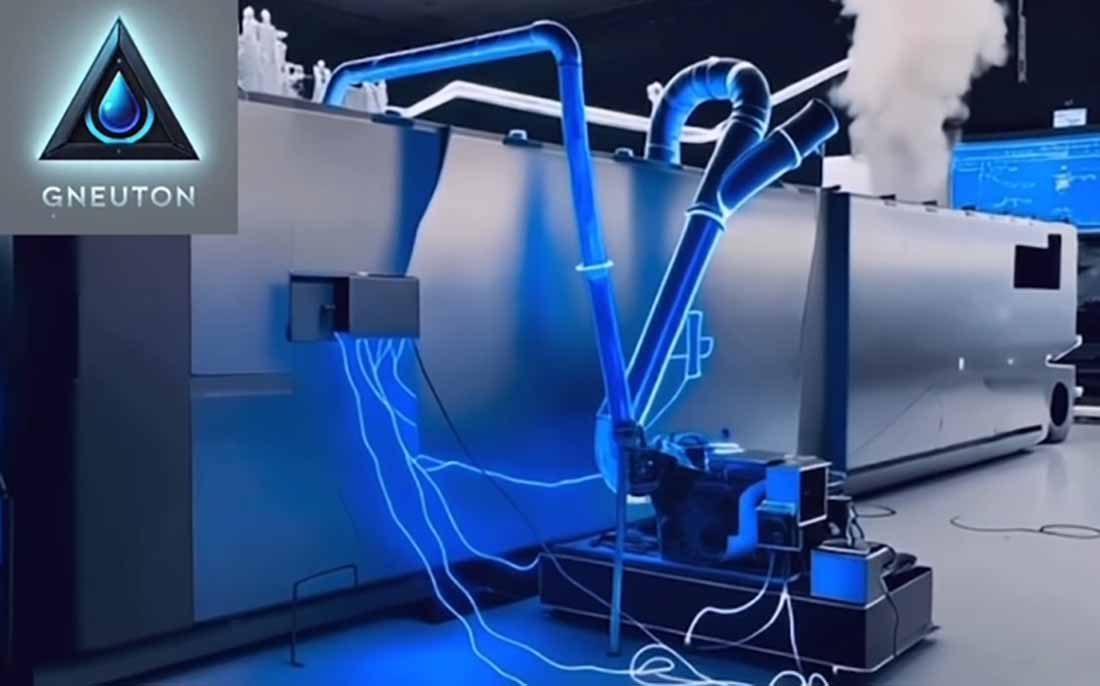
The Evolution of Thermal Distillation and the Energy Barrier It Faced
Thermal distillation has long been recognized as one of the most reliable methods for producing high purity water, yet its traditional implementations have been constrained by the immense energy required to vaporize and condense water at scale. The recent emergence of Zero Energy Distillation represents a significant shift in the economics and physics of water purification by eliminating the need for dedicated electrical or thermal input.
Instead of relying on standalone boilers or electrically powered evaporators, this ground-breaking technology captures and repurposes the waste heat already produced by natural gas turbines. The exhaust heat from gas turbines can purify wastewater, brackish water, industrial wastewater, and oilfield produced water to a level as clean as distilled water without consuming any additional electricity. This approach reframes waste heat as a valuable asset rather than an unavoidable byproduct of power generation. This breakthrough is especially critical for AI data centers, which require vast volumes of ultra pure water for cooling and thermal management, and access to low cost, high purity water will increasingly determine the scalability, sustainability, and geographic viability of next generation compute infrastructure.
The Thermodynamic Foundation of Zero Energy Distillation
The scientific foundation of Zero Energy Distillation rests on the thermodynamic principle that all engines release a substantial portion of their input energy as heat rather than mechanical or electrical output. Gas turbines in particular operate at extremely high temperatures and pressures, often exceeding one thousand degrees Fahrenheit at the exhaust stage. This exhaust stream contains enough thermal energy to drive phase change processes such as evaporation and condensation. In a conventional power plant, this heat is typically vented into the atmosphere through stacks or heat recovery systems that are not optimized for water purification.
Zero Energy Distillation intercepts this exhaust stream and channels it into a controlled thermal exchange environment where wastewater is exposed to temperatures and pressures sufficient to induce vaporization. Most importantly, the heat source is produced during normal turbine operation, so the distillation process requires no incremental fuel consumption or electrical draw.
The Physics of Vaporization and the Role of Gas Turbine Exhaust
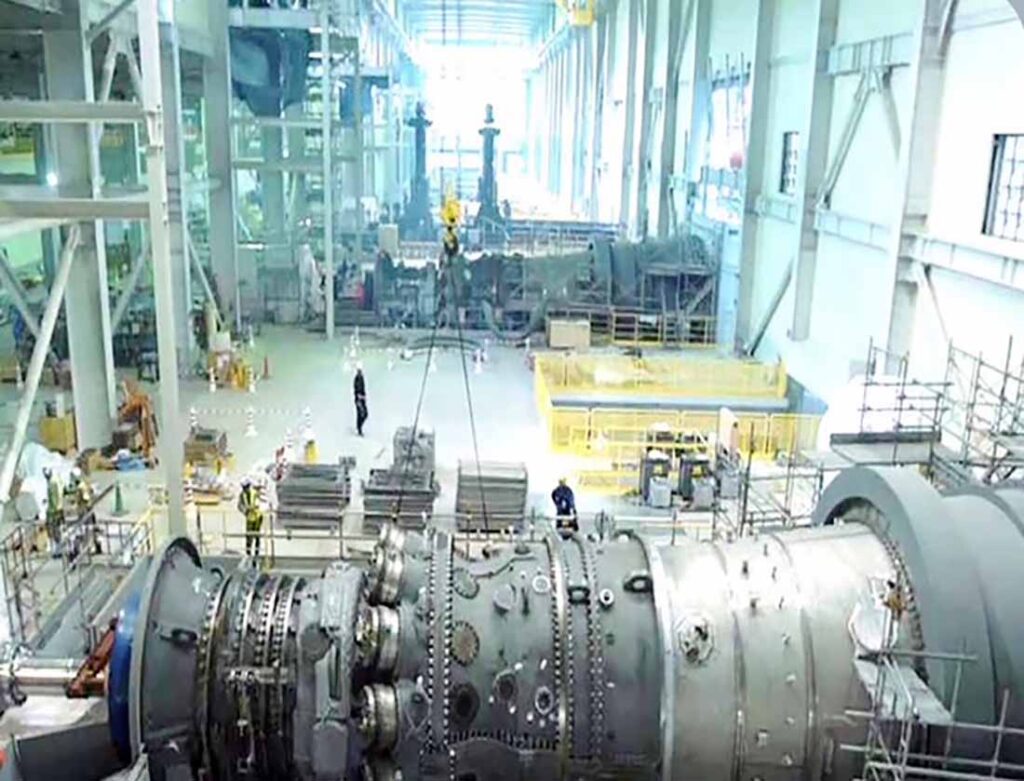
The physics of this process can be understood through the lens of enthalpy of vaporization, which is the amount of energy required to convert liquid water into vapor at a given pressure. At atmospheric pressure, this value is approximately two thousand two hundred sixty kilojoules per kilogram. Gas turbine exhaust streams routinely contain thermal energy far in excess of this threshold meaning that even a modest capture of the available heat can vaporize significant volumes of water.
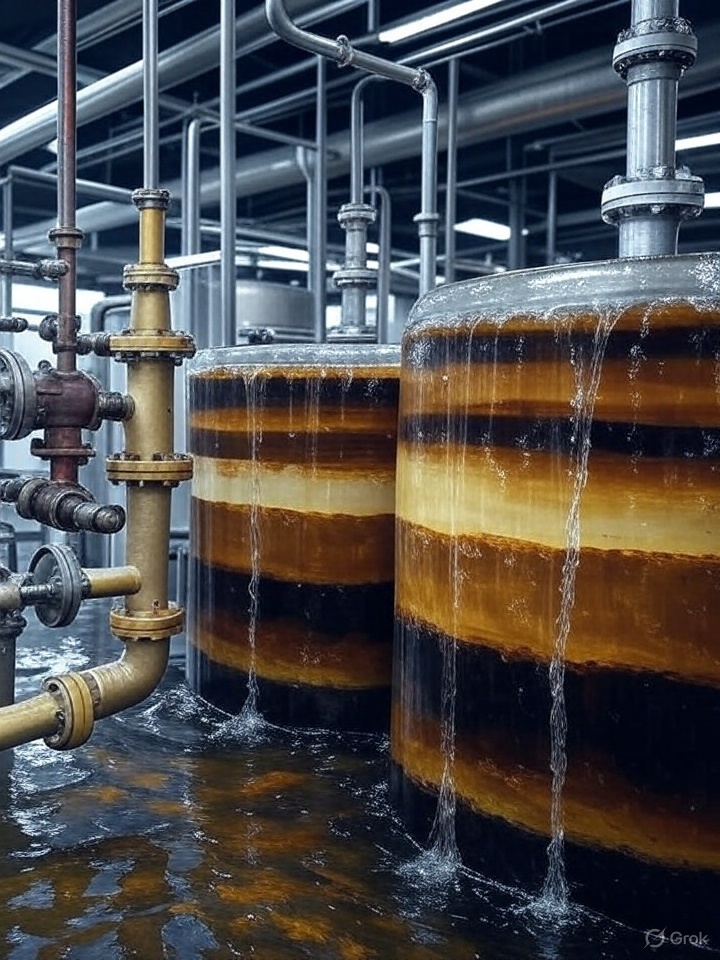
Once vaporized, the water cools and returns to liquid form. The resulting distillate is free of dissolved solids, heavy metals, organic contaminants, and most chemical impurities as they are removed from the bottom of the chamber. This process is particularly effective for treating oilfield produced water, which often contains high salinity and complex chemical mixtures that are difficult and expensive to remove through desalination, membrane filtration, or chemical treatment.
Integrating Distillation with Power Generation Infrastructure
The integration of Zero Energy Distillation with gas turbine infrastructure creates a synergistic and regenerative relationship between power generation and water purification. Gas turbines are widely used in industrial facilities, energy production sites, and increasingly in artificial intelligence data centers. These turbines generate both electricity and heat, but historically only the electrical output has been monetized. By capturing the thermal output for distillation, operators effectively double the utility of each combustion event. This dual use of energy improves overall efficiency and reduces the carbon intensity of operations because the system avoids the need for separate thermal or electrical inputs for water purification.
Zero energy distillation eliminates these burdens by using heat that would otherwise be wasted.
It also reduces carbon emissions per kilowatt hour of information technology energy.
Environmental Impact and Sustainability Advantages
The environmental implications of this approach are significant to say the least. Traditional desalination and wastewater treatment technologies typically rely on electrically powered reverse‑osmosis systems or thermal evaporators that require dedicated boilers, imposing substantial energy costs and contributing to greenhouse gas emissions. This problem is especially critical given rapidly rising electricity prices, which sharply increase operating expenses, threaten the economic viability of plants, and can push operators toward cheaper, more carbon‑intensive power sources.
Zero Energy Distillation eliminates these burdens by using heat that would otherwise be wasted. It also reduces carbon emissions per kilowatt hour of information technology energy because the purification process does not require additional combustion or electrical load. This aligns with broader sustainability goals across industries that are seeking to reduce environmental impact while maintaining operational reliability.
Economic Efficiency and the Value of On Site Water Regeneration
The economic benefits of Zero Energy Distillation are equally compelling. Water scarcity is a rapidly escalating global challenge, and industrial facilities often face rising costs for freshwater procurement and wastewater disposal. By enabling on site purification and reuse, Zero Energy Distillation reduces dependence on municipal water supplies and local water aquifers while minimizing the need for trucking, chemical treatment, or off-site disposal. This is particularly valuable for AI data centers that rely on evaporative cooling systems, which are the most efficient but require a consistent supply of clean water. By producing distilled quality water on site, operators can maintain optimum cooling performance without drawing from local freshwater resources.
Scalability Across Industrial and Energy Environments
The scalability of Zero Energy Distillation is another defining advantage. Gas turbines range in size from small portable units producing a few hundred kilowatts to massive industrial turbines generating hundreds of megawatts. This flexibility allows organizations to deploy the technology in remote locations, oilfields, or urban AI data centers without requiring major infrastructure changes. The system can be retrofitted into existing facilities or integrated into new construction enabling immediate water regeneration without disrupting core operations.
Strategic Implications for the Future of Energy and Water
The broader strategic implications of Zero Energy Distillation extend beyond operational efficiency. As industries increasingly adopt artificial intelligence and high-density computing, the demand for reliable water and power will only continue to grow. Facilities that can generate their own purified water on site gain resilience against supply disruptions and regulatory constraints. By minimizing additional electricity and freshwater demand through on‑site, waste‑heat‑driven purification.
Zero Energy Distillation also reduces the basis for community pushback and strengthens social license to operate. Thus, facilities position themselves as leaders in sustainable infrastructure by demonstrating that advanced computing can coexist with responsible resource management. The ability to convert waste heat into a valuable input for water purification represents a monumental paradigm shift in how organizations think about energy systems, environmental stewardship, and long-term operational planning.
Gneuton and Zero Energy Distillation
Gneuton, the architect of the Zero-Energy Distillation ground-breaking technology, is a cutting-edge technology company providing an affordable and massively scalable solution to for AI data centers and thermal power plants to purify industrial wastewater as well as oilfield wastewater. Gneuton helps AI data centers come freshwater neutral and even freshwater positive depending on the location.